Choosing a Luxury Aluminum Entry Door is a decision about more than appearance. It shapes the first impression of a home and influences daily comfort, security, and energy use. A well-chosen door should feel substantial when opened, close without a harsh slam, and remain stable through changing seasons.
This guide presents ten practical tips based on design experience, installation knowledge, and careful product evaluation. It considers aluminum grade, thermal breaks, powder-coat finishes, glass performance, hardware quality, weather seals, proportions, and installation details. Small features matter. A concealed threshold can improve the entrance line, while a misaligned hinge can undermine an otherwise impressive design. Certified testing and clear manufacturer specifications also provide stronger evidence than attractive showroom language.
Even experienced buyers can miss important details. A dark finish may look dramatic but absorb more heat in direct sunlight. Large glass panels may brighten a hallway yet reduce privacy without suitable glazing. These trade-offs deserve honest attention. No door is perfect. The best choice balances architectural style, local climate, maintenance expectations, and practical security needs. Careful measurements, written warranties, and a qualified installer add confidence. Still, personal judgment remains necessary. A polished brochure cannot reveal every installation problem. This introduction sets the direction for evaluating luxury aluminum doors with curiosity, precision, and a willingness to reconsider attractive assumptions.
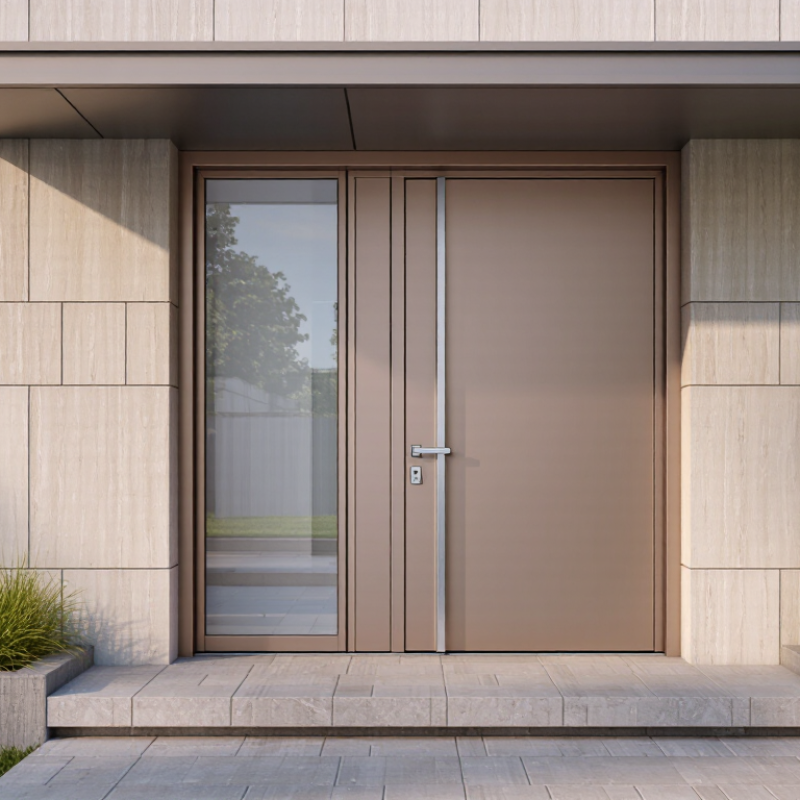
Choosing a luxury aluminum entry door starts with understanding how your entrance actually works. Measure the opening, wall thickness, threshold height, and available swing space. Note where morning or afternoon sunlight falls. These details affect comfort, color stability, and hardware performance.
Your home’s architectural style should guide the door’s proportions and surface treatment. A slim, flush design suits contemporary façades with concrete, glass, or clean timber lines. A warmer finish may better support Mediterranean, transitional, or traditional architecture. Look at nearby window frames, roof edges, and exterior lighting. The door should belong there, not look like a separate display piece.
Function matters as much as appearance. A busy family entrance may need durable finishes, concealed drainage, secure multi-point locking, and easy cleaning. Ask how the aluminum is treated, how the thermal break performs, and whether replacement seals remain available. Local building requirements should also be checked before ordering. I once focused too heavily on a dramatic oversized panel and underestimated the hallway clearance. It looked impressive on paper. In daily use, it felt awkward. A smaller opening with better proportions would have served the home more effectively. Expect small compromises. Even an expensive door can need adjustment after installation. Fresh measurements, careful mock-ups, and an experienced installer reduce that risk.
Luxury aluminum entry doors should be judged by performance, not only by a flawless finish. The U.S. Department of Energy estimates that windows account for about 25–30% of residential heating and cooling energy use. A glazed entry door can contribute to that loss. Check its NFRC-listed U-factor and solar heat gain coefficient. Lower U-factor usually means better insulation.
Look closely at the aluminum profile. A thermally broken frame separates exterior and interior metal with an insulating barrier. This reduces condensation around the threshold. Stronger alloy sections also resist twisting under wind pressure.
Ask for tested air, water, and structural ratings under AAMA/FGIA or equivalent standards. Field testing matters. A door may feel solid but still leak during wind-driven rain.
Inspect the sill, corner joints, seals, and drainage paths. The FGIA/AAMA 502 field-testing standard evaluates installed fenestration for air leakage and water penetration. Proper installation is essential. Even a high-rated door can fail with a poorly sealed frame.
In coastal or storm-prone areas, confirm the design pressure rating for the building location.
Hardware deserves attention too. Multi-point locks distribute pressure across the panel and help maintain compression.
Do not trust marketing alone. Request test reports.
I would also examine the finish under direct light. Small coating flaws can expose weak quality control. My own judgment would remain cautious, because no rating predicts every installation or climate condition.
Choosing a luxury aluminum entry door requires more than admiring its finish. Thermal performance affects comfort, energy use, and condensation near the frame. Ask for the whole-door U-value, not only the glass rating. Lower values usually indicate better insulation.
A thermally broken aluminum frame reduces heat transfer through the metal. Look for continuous polyamide separators and insulated panels. Check air leakage results, especially if your entrance faces strong wind. Small gaps can create noticeable drafts. Measure twice. Installation matters as much as the door itself.
Security depends on the complete system. A multipoint locking mechanism, reinforced hinges, and a solid strike area provide stronger resistance than a decorative lock alone. Confirm that the cylinder resists common forms of forced manipulation. I have seen expensive doors underperform because the surrounding wall was weak. The frame must connect securely to the structure.
Glass choices change both security and comfort. Low-emissivity double glazing can improve insulation, while laminated glass helps hold fragments together after impact. Tempered glass offers strength, but it breaks into small pieces. For privacy, consider translucent or lightly tinted glass, yet remember that darker glass may reduce daylight. Warm-edge spacers can limit condensation around the glass perimeter. Ask for visible performance data, not vague claims. A perfect specification can still fail when installers rush the sealant or ignore uneven masonry.
Choosing a luxury aluminum entry door starts with customization, not decoration. Measure the opening twice, including wall depth and threshold height. A narrow urban entrance may need a pivot design, while a windy coastal home benefits from tighter seals. The U.S. Department of Energy reports that windows, doors, and skylights can account for about 25–30% of residential heating and cooling energy use. Request the door’s U-factor, air-leakage rating, and water-resistance results. NFRC-certified ratings make comparisons more reliable.
Hardware should match daily use and local conditions. Choose a multi-point lock, adjustable hinges, and a lever that feels solid without excessive force. Stainless steel hardware is sensible near salt air, but even good metal needs periodic cleaning. Finishes deserve equal attention. Anodized aluminum offers a measured architectural appearance, while powder coatings should meet AAMA 2605 performance requirements for demanding exterior exposure. Dark colors look dramatic. They also show dust, scratches, and heat-related movement more clearly.
Maintenance is simple, but not optional. Rinse coastal doors with clean water, use mild soap, and avoid abrasive pads. Inspect weatherstripping every year. Replace flattened seals before drafts become visible. I would avoid choosing a finish from a tiny sample; sunlight changes everything. A full-size sample beside the entrance reveals reflections, undertones, and handle scale. The U.S. Department of Energy also recommends inspecting door seals and correcting air leaks, yet this step is often forgotten. Small oversights remain expensive.
Typical maintenance intervals for evaluating customization, hardware, finishes, and long-term performance.
Clean aluminum surfaces monthly in exposed locations, inspect and lubricate moving hardware about every six months, and check weather seals and finish condition at least once a year. Actual requirements vary with climate, traffic, coastal exposure, and the door manufacturer's care instructions.
Luxury aluminum doors reward installation precision, not just appearance. Ask the installer to follow ASTM E2112 and applicable local building codes. That means a level sill, continuous flashing, compatible sealants, and correctly placed shims. Not enough. Poor alignment can cause binding, drafts, and water intrusion within one season. FGIA’s AAMA/WDMA/CSA 101/I.S.2/A440 specification covers performance ratings for air leakage, water penetration, and structural resistance. Request the tested rating, not a showroom promise. The U.S. Department of Energy reports that air leakage can represent up to 30% of heating and cooling energy use in homes, although this figure applies to the building envelope broadly, not one door.
Read the warranty before admiring the finish. Separate coverage should be listed for powder coating, glass, hardware, structure, and labor. Confirm the warranty period, transfer rules, maintenance duties, and exclusions for coastal exposure or unusual cleaning chemicals. A long warranty is not automatically strong protection. I have seen homeowners overlook labor coverage, then face expensive service visits. The wording matters more than the headline.
Long-term value also depends on measured performance and repair access. Zonda’s 2024 Cost vs. Value Report recorded a 188.1% cost recoupment for steel entry-door replacement, but that benchmark is not aluminum-specific. Use it carefully. Ask whether hinges, locks, gaskets, and glazing components can be replaced without removing the frame. Keep installation photographs and product records. Future buyers, inspectors, and technicians may need them.
Inspect the frame, finish, sill, seals, joints, and drainage paths. A flawless surface does not prove strong performance. Ask for independent test reports.
It separates indoor and outdoor aluminum with an insulating barrier. This can reduce heat transfer and condensation near the threshold. It is helpful, not magic.
Review the listed U-factor and solar heat gain coefficient. A lower U-factor usually indicates better insulation. Also inspect the glass and frame together.
Request tested air, water, and structural ratings. Installed field testing can reveal leaks during wind-driven rain. A solid-feeling door may still leak.
The sill should be level, with continuous flashing and compatible sealants. Correct shims help maintain alignment. Small errors can cause drafts, binding, or water intrusion.
It distributes pressure across the door panel and supports even gasket compression. Check whether the hardware operates smoothly. More locking points do not fix poor alignment.
Look for separate coverage for coating, glass, hardware, structure, and labor. Check exclusions, transfer rules, maintenance duties, and coastal exposure limits. Read the wording carefully.
Confirm that hinges, locks, gaskets, and glazing parts can be replaced without removing the frame. Keep installation photos and product records. Repair access matters.
Examine it under direct light for pinholes, uneven coating, scratches, or exposed areas. Minor flaws may suggest weak quality control. My judgment would remain cautious.
No rating predicts every climate or installation condition. Confirm the design pressure for the building location. Local exposure can change the real result.
Choosing a Luxury Aluminum Entry Door begins with understanding your entryway’s dimensions, traffic patterns, and architectural character. Consider how the door will complement your home’s design while offering the right balance of visual appeal and daily practicality. Examine the aluminum’s quality, structural strength, protective coatings, and resistance to moisture, sunlight, temperature changes, and corrosion. Thermal performance is also important, so compare insulation features, energy-efficient glazing, weather seals, and available glass styles. Security should be reviewed through locking systems, reinforced construction, and dependable hardware.
Customization can help create a distinctive entrance, with options for colors, textures, panel designs, handles, hinges, sidelights, and decorative glass. Choose finishes that suit your maintenance preferences and local climate. Before purchasing, confirm that installation follows professional standards, including accurate measurements, proper sealing, drainage, and secure fitting. Finally, review warranty coverage, service terms, expected maintenance, and long-term durability. A carefully selected door should enhance curb appeal, comfort, security, and property value for many years.