Foshan, Guangdong, China [email protected]
0%

Choosing the best Aluminum Entry Door in 2026 requires more than comparing photographs, prices, and polished showroom claims. The right door should suit your climate, wall construction, daily habits, and long-term maintenance expectations. A coastal home needs stronger corrosion resistance. A cold-climate entrance needs a reliable thermal break, tight weatherstripping, and insulated glass. A busy family entrance needs hardware that feels solid after thousands of openings.

Building-science expert Joseph Lstiburek often emphasizes, “A building is a system.” His principle applies directly to every Aluminum Entry Door. The slab, frame, sill, flashing, insulation, and drainage path must work together. Even a premium door can leak air or water when the opening is poorly prepared. Look closely at frame depth, threshold design, finish quality, hinge adjustment, locking points, and the manufacturer’s tested performance. Ask for documented U-factor, air-leakage, water-resistance, and structural ratings. Marketing language alone is not enough.

This guide examines the details that matter in 2026. It compares thermally broken and non-thermally broken frames, durable powder coatings, glass options, accessibility, security, and installation quality. It also considers repair access and warranty clarity, because replacement parts matter years later. I may favor performance over the lowest purchase price. That choice is not perfect for every budget. Still, a cheaper door can become expensive through drafts, swelling finishes, difficult adjustments, or premature replacement. Measure carefully. Review the installer’s method. Then choose an Aluminum Entry Door that performs quietly, looks appropriate, and remains dependable through real weather.
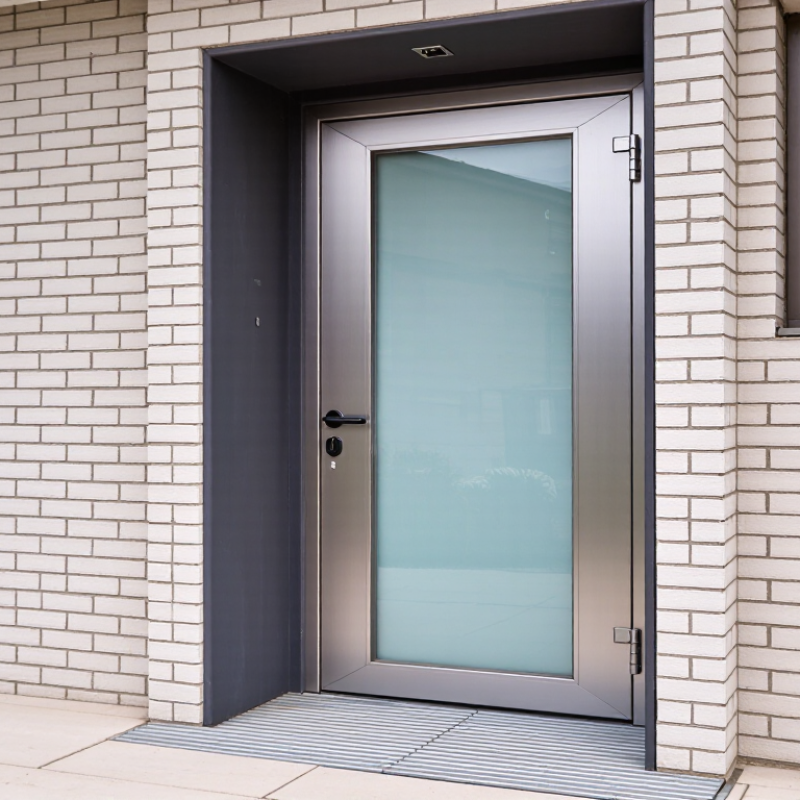
How to Choose the Best Aluminum Entry Door in 2026?

Aluminum Entry Door Basics and 2026 Market Trends

How to Choose the Best Aluminum Entry Door in 2026?

Aluminum entry doors are valued for strength, low maintenance, and slim modern frames. Their basic performance depends on more than appearance. Look for a thermal break, which reduces heat transfer through the frame. Reliable weather seals also help block rain, dust, and winter drafts. Check the threshold carefully. A poorly fitted threshold can weaken an otherwise efficient door.

In 2026, buyers are watching energy performance, recycled materials, and smart access features. Thermal efficiency is becoming a stronger selling point, especially in homes with large glazed panels. Powder-coated finishes remain popular because they resist peeling and require little repainting.

However, darker colors may absorb more heat in sunny climates. This detail is easy to overlook. It deserves attention during selection. Some homeowners also want fingerprint entry or phone-based locking, but electronic parts can need updates and future replacement.

Tips: Compare the door’s tested U-value, air leakage, and water resistance. Ask how the frame handles coastal moisture or sharp temperature changes. Inspect corner joints, hinges, and seal compression in person when possible. A beautiful door can still perform poorly if installation is careless. Leave room for doubt. Request written specifications, installation details, and warranty conditions before ordering.

Key Performance Factors: Security, Insulation, and Durability

How to Choose the Best Aluminum Entry Door in 2026?

Key Performance Factors: Security, Insulation, and Durability

A secure aluminum entry door begins with the frame, not the decorative panel. Look for reinforced profiles, protected hinges, and a multi-point locking system. The lock should engage smoothly without forcing the handle. Laminated glass can reduce shattering risks, while independently tested resistance reports offer more reliable evidence than sales language. During a showroom visit, push the door gently. Excessive movement may reveal weak installation or poor alignment.

Insulation matters in daily comfort and energy use. Choose a door with a continuous thermal break and a well-sealed threshold. Check its tested U-value and air-leakage rating, rather than trusting phrases like “energy saving.” On a cold morning, feel around the lower corners for drafts. A door can have an excellent panel but still perform poorly around the frame. That detail is easy to miss.

Durability depends on finish quality, drainage, hardware, and local weather. Coastal homes need strong corrosion resistance and carefully sealed fasteners. In areas with sharp temperature changes, stable gaskets are especially important. Ask for coating specifications and cycle-test information. Keep the maintenance schedule realistic. A beautiful finish will not stay beautiful if water collects at the sill. I once focused too much on panel thickness and overlooked threshold drainage. That was a useful mistake. Door performance is a system, and installation quality can quietly decide the result.

How to Compare Door Styles, Materials, and Custom Features

Choosing an aluminum entry door in 2026 starts with comparing the whole assembly, not just its finish. A slim, glazed style brings daylight and a lighter appearance. A solid panel offers stronger privacy and usually less glass-related maintenance. For windy or wet locations, check the tested air, water, and structural ratings. NFRC labels can also reveal U-factor and solar heat gain performance. The U.S. Department of Energy reports that windows account for roughly 25–30% of residential heating and cooling energy use, so glass selection deserves attention.

Material comparison needs practical judgment. Aluminum resists rot, insects, and moisture, but poor thermal breaks can create cold interior edges. Look for insulated frames and carefully sealed thresholds. Steel can deliver excellent security, while fiberglass often imitates wood with fewer weather concerns. The 2024 Cost vs. Value Report found that steel entry door replacement recovered about 188% of its cost at resale. That figure reflects a specific market sample, not a promise. Aluminum may still suit coastal exposure or contemporary architecture better.

Custom features should solve real problems. Select a multipoint lock, low-profile sill, and concealed drainage after reviewing the opening conditions. For coatings, ask whether the finish follows AAMA 2605 performance requirements. Matte black looks sharp, yet dust and salt can show quickly. I would avoid oversized glass without shading. It can feel luxurious, but summer glare may become annoying. Measure twice. Door replacement errors are expensive, and even attractive specifications can fail when installation tolerances are ignored.

Understanding Energy Ratings, Installation, and Maintenance Needs

Choosing an aluminum entry door in 2026 starts with its energy rating, not its appearance. Check the U-factor, solar heat gain coefficient, and air-leakage value. Lower U-factors usually indicate better insulation. However, climate changes the ideal choice. A low solar gain rating may help in hot regions, while moderate solar gain can benefit colder homes.

Look for aluminum frames with thermal breaks and insulated glass. These features reduce heat transfer through the frame. Ask for performance documents from an independent testing organization. Do not rely only on phrases like “energy efficient.” I once saw a well-rated door perform poorly because the opening was slightly out of square. Installation matters greatly. The installer should check the rough opening, level the sill, and seal the perimeter carefully. Proper flashing helps prevent hidden moisture damage. A small gap can create drafts, noise, and rising heating costs.

Maintenance is usually simple, but it is not optional. Wipe the frame with mild soap and water twice yearly. Keep the sill track clear of grit and leaves. Inspect weatherstripping after harsh winters or heavy rain. Replace compressed seals when daylight appears around the closed door. Hinges and locks may need light, manufacturer-approved lubrication. Avoid abrasive cleaners, which can damage the finish. My own mistake was ignoring a stiff latch; adjustment became harder after the frame settled. Local building requirements and professional inspection should guide the final installation.

How to Choose the Best Aluminum Entry Door in 2026? - Understanding Energy Ratings, Installation, and Maintenance Needs

Decision Area Data or Rating to Check How to Interpret It Practical Selection Guidance
Whole-door energy performance NFRC-labeled U-factor for the complete door assembly, where available U-factor measures heat flow; a lower value indicates less heat transfer. Confirm that the rating applies to the complete product, not just the glass or frame. Compare doors using the same rating method and units. Check local energy-code requirements and the product’s certified documentation before buying.
Glazed-panel solar performance Solar Heat Gain Coefficient (SHGC), on a scale from 0 to 1 SHGC estimates the fraction of incident solar heat admitted through the glazing. Lower values limit solar heat gain; higher values allow more of it. Consider orientation, shading, and climate. A lower SHGC may help limit unwanted summer heat, while solar heat gain can be useful in some colder-climate designs.
Aluminum frame construction Thermal break; insulated frame and door-core details Aluminum conducts heat readily. A thermal break separates interior and exterior metal surfaces to reduce heat transfer through the frame. Ask whether the frame is thermally broken and request whole-product performance data. Do not judge efficiency from frame material or appearance alone.
Weather sealing Continuous weatherstripping, threshold seal, and documented air-leakage test information Seals help limit drafts and moisture entry when the door is closed. Test results depend on the test method, specimen, and product configuration. Check that seals are continuous around the perimeter and that the threshold can be adjusted or replaced if needed. Compare test documentation on a like-for-like basis.
Glass and safety Glazing type, insulated-glass construction, and applicable safety-glazing requirements Glazing options affect heat transfer, daylight, privacy, and impact safety. Building codes may require safety glazing in locations such as certain door panels or nearby glazing. Confirm code requirements for the opening and location. Ask about glass make-up, condensation expectations, and replacement availability.
Water management Flashing details, sill-pan approach, drainage path, and installation instructions A well-performing door still depends on proper water management at the opening. Flashing and drainage should direct water outward rather than into the wall assembly. Use installation details approved for the specific wall construction and door. Confirm how the sill, jambs, and head will be integrated with the building’s water-resistive barrier.
Opening preparation Rough-opening dimensions, plumb and level checks, and substrate condition An out-of-square or unstable opening can cause binding, uneven gaps, poor sealing, or hardware problems. Have the installer measure the opening before ordering and verify the framing is sound, square, level, and suitable for the selected installation method.
Installation quality Manufacturer instructions, approved fasteners, shimming, insulation, and perimeter sealing Correct fastening and careful adjustment help the door operate properly. Excessive or unsuitable expanding foam can distort a frame if not used as directed. Use a qualified installer familiar with the product. Follow the manufacturer’s instructions, preserve drainage paths, and test operation and latching before finishing the interior trim.
Exposure and finish Sun, rain, coastal exposure, finish-care instructions, and compatible cleaning products Exposure affects cleaning frequency and finish wear. Abrasive cleaners or incompatible chemicals can damage coated surfaces and hardware. Choose a finish suitable for the site conditions. Follow the care instructions and test any cleaner on an inconspicuous area if compatibility is uncertain.
Routine maintenance Periodic checks of seals, drainage, hinges, locks, fasteners, and finish Debris or worn weatherstripping can affect drainage, smooth operation, and air sealing. Maintenance needs vary with exposure and use. Inspect the door at least seasonally and after severe weather. Clean tracks and drainage openings, check for loose hardware, and replace damaged seals with compatible parts.
Warranty and serviceability Written coverage for finish, glazing, hardware, and installation; replacement-part availability Warranty terms can differ by component and may depend on correct installation and maintenance. Review exclusions, required care, and claim procedures before purchase. Keep the product documentation and installation records.

Important: Energy-code and certification requirements vary by location, climate zone, product type, and current program version. Verify applicable requirements and product ratings with the local authority and the manufacturer before purchase.

How to Select the Right Aluminum Entry Door for Your Home

Choosing the right aluminum entry door starts with your home’s actual conditions, not a showroom photograph. The best door should suit your climate, entrance size, daily habits, and security needs. In my experience, measuring the opening twice prevents expensive ordering mistakes. Record the width, height, wall depth, threshold level, and door swing. Check how morning and afternoon sunlight reach the entrance. Strong sun can slowly fade darker finishes.

Select an aluminum frame with a thermal break if your area has cold winters or intense summer heat. This feature reduces heat transfer through the frame. Ask for tested air leakage, water resistance, and thermal performance data. Those figures are more useful than vague claims.

Glass also matters. Low-emissivity insulated glass can improve comfort, while laminated glass offers added impact resistance. A solid panel may provide better privacy, but it can make a narrow hallway feel darker.

I once chose appearance over daylight. That decision felt wrong later.

Security depends on the complete system. A reinforced frame, quality hinges, a reliable lock, and a strong strike area should work together. Multi-point locking can improve stability on taller doors. Check whether the threshold limits water entry without creating a tripping hazard. Professional installation is equally important. Even a well-designed door can leak air when the frame is poorly aligned. Request clear maintenance instructions and written warranty terms. Leave room for doubt. Compare the specifications carefully before ordering.

FAQS

What should I check when choosing an aluminum entry door in 2026?

Check the thermal break, weather seals, threshold, tested U-value, air leakage, and water resistance. Appearance is not enough.

Why is a thermal break important?

A thermal break reduces heat transfer through the frame. It can improve indoor comfort during cold or hot weather.

How can I judge a door’s insulation performance?

Review tested U-values and air-leakage ratings. On a cold morning, check the lower corners for drafts.

What security features should an aluminum entry door include?

Look for reinforced profiles, protected hinges, and multi-point locking. The lock should engage smoothly.

Is laminated glass useful in an entry door?

Laminated glass can reduce shattering risks. Independent resistance reports provide stronger evidence than promotional wording.

How does climate affect aluminum door selection?

Coastal homes need corrosion-resistant finishes and sealed fasteners. Sharp temperature changes require stable gaskets.

Are dark powder-coated finishes suitable for sunny climates?

Dark finishes resist peeling and need little repainting. However, they may absorb more heat in direct sunlight.

What should I inspect during installation?

Inspect corner joints, hinges, seal compression, alignment, and threshold drainage. Push the door gently.

Can smart entry features create future problems?

Fingerprint and phone-based access can add convenience. Electronic parts may need updates or eventual replacement.

What mistake should buyers avoid?

Do not focus only on panel thickness or appearance. I once overlooked threshold drainage. That was a useful mistake.

Conclusion

Choosing the best Aluminum Entry Door in 2026 requires balancing appearance, security, energy efficiency, and long-term value. Modern aluminum doors offer strong resistance to corrosion, warping, and daily wear, while improved thermal breaks and insulated cores can help reduce heat transfer. When comparing options, consider the door’s frame quality, locking system, weather seals, glass configuration, and available finishes. Style should complement the home’s architecture, while custom dimensions, sidelights, decorative panels, and hardware can improve both function and appearance.

Energy ratings and installation quality are equally important. Look for clear information about thermal performance, air leakage, water resistance, and glazing efficiency. Professional installation can prevent drafts, alignment problems, and moisture intrusion, while routine cleaning, hardware checks, and seal inspection help extend service life. The right Aluminum Entry Door should suit the local climate, entrance size, security expectations, maintenance preferences, and household budget, creating a durable and welcoming entrance for years to come.

Eleanor

Eleanor

Eleanor is a dedicated marketing professional with a strong understanding of the company’s products, services, and customer needs. With a background in market research, content strategy, and business communication, she transforms complex product information into clear, practical, and engaging......