Foshan, Guangdong, China [email protected]
0%

Choosing an Aluminum Residential Door in 2026 is less about picking a sleek finish and more about matching the door to your home. A design that looks sharp in a showroom may feel different beside a shaded porch, a busy street, or a salt-air coastline. Details matter. Start by checking the frame construction, glazing options, weather seals, locking hardware, and stated thermal performance. Ask how those specifications apply to the complete door system, not just one component. A well-made frame cannot compensate for poor installation.

Compare options against your climate, entrance dimensions, security needs, and maintenance expectations. Request product documentation, warranty terms, and installation guidance from the manufacturer or a qualified installer. If possible, inspect a full-size sample; a small color swatch can hide how the finish looks in direct afternoon sun. It may still be difficult to judge online. That is worth admitting. Also check whether replacement parts and compatible hardware will remain available, especially for custom designs. In 2026, product labels and advertised performance can vary, so compare like-for-like test data rather than relying on broad claims. A careful choice balances appearance with measurable performance and practical support. The best door is not automatically the most expensive or the most heavily marketed. It is the one suited to your entry, installed correctly, and backed by clear information.
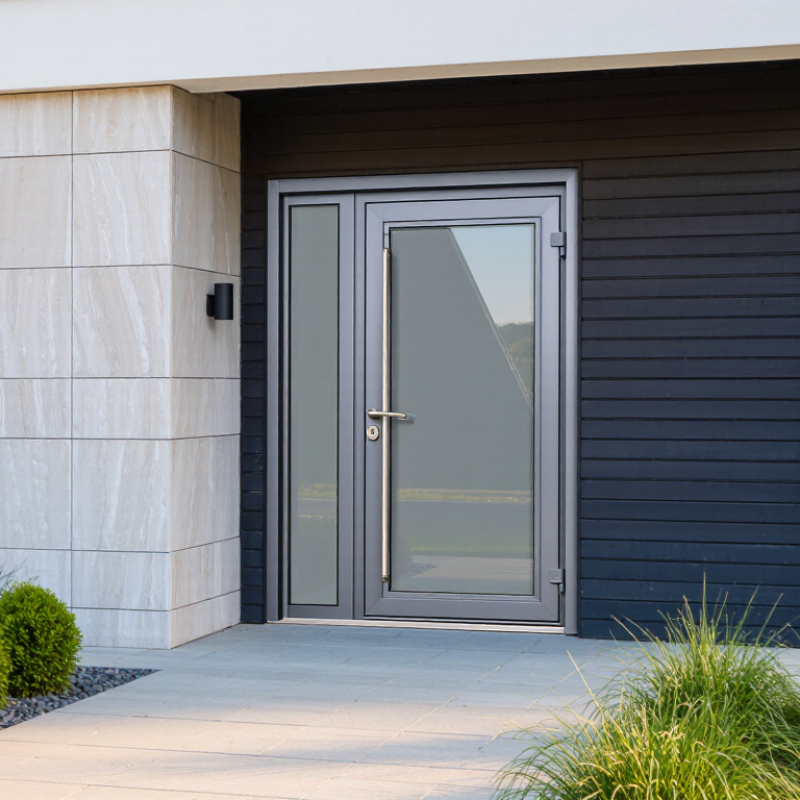
How to Choose the Best Aluminum Residential Door in 2026?

Understand Aluminum Residential Door Types and Their Main Components

Aluminum residential doors come in several forms. Hinged entry doors suit front or side entrances, while sliding doors save space beside patios. Folding systems can open a wider wall section, but their tracks need careful cleaning. The right type depends on the opening, traffic, and available clearance.

Look closely at the frame and sash, which hold the door panels and glazing. A thermal break—a non-conductive section between interior and exterior aluminum—can reduce heat transfer. Glass may be double-glazed or include low-emissivity coatings; ask for performance figures suited to your climate. Small details matter. Check the weatherstripping, too: uneven seals can let in drafts and rain.

Hardware affects daily use. Hinges, rollers, locks, handles, and the threshold should feel solid and operate without scraping or sticking. On a sample door, open and close it several times, then inspect the corners and seals. A durable finish helps resist fading and corrosion, though scratches still deserve attention. I would not choose by appearance alone; a slim frame can look elegant, yet may not suit every opening or exposure. Compare the installation details as carefully as the product itself.

Define Your Home’s Needs, Style, and Door Configuration

Start with how your home is used
Choosing an aluminum residential door starts with the way your home is used, not the finish sample. Measure the existing opening, including its width, height, wall depth, and threshold. Measure twice. A busy entry may need a wider clear passage for groceries or a stroller; a patio door should match furniture paths and outdoor access. Check the swing direction, too. A door that opens into a narrow hall can feel wrong every day.

Match the configuration to the room
Then match configuration and style to the room. Hinged doors suit conventional entries, while sliding panels save floor space beside patios. Large glazed panels bring in daylight, but privacy, glare, and heat gain deserve attention.

The U.S. Department of Energy’s Energy Saver guidance estimates that windows account for about 25–30% of residential heating and cooling energy use; that figure is a useful reminder to consider glazing performance, though it is not a door-specific estimate.

Ask for the proposed assembly’s NFRC ratings where applicable, and compare U-factor and solar heat gain coefficient for your climate and exposure. Details matter. A common oversight is choosing a dramatic glass layout before checking sightlines, furniture placement, and afternoon sun. Pick the appearance you like, then test it against the opening and the way you actually live.

Compare Frame Alloys, Finishes, Glazing, and Thermal Features

How to Choose the Best Aluminum Residential Door in 2026?

A good aluminum door starts with the frame, not its color. Ask for the alloy and wall-thickness specifications; these affect rigidity, weight, and resistance to everyday dents. Compare the tested door assembly, too, since frame strength alone does not tell you how the full unit performs. Small details matter. A powder-coated finish can offer durable color, while coastal or damp settings may need extra attention to corrosion protection. Request care instructions and check whether the finish can be repaired locally.

Tips: Compare glass options by more than appearance. Double glazing can reduce heat transfer and outside noise, while low-emissivity coatings help limit unwanted heat gain or loss. For privacy, consider patterned glass, but view a sample in daylight before choosing. Check safety-glazing requirements with a qualified local installer.

Thermal performance depends on the whole door: frame, glass, seals, and installation. A thermal break separates interior and exterior aluminum sections, reducing heat flow through the frame. Look for documented performance figures, such as U-factor, and compare products using the same test method. Ask how the threshold and weatherstripping manage drafts and water. A higher specification may not suit every home, and installation quality can undermine even a well-made door. That part is easy to overlook.

How to Choose the Best Aluminum Residential Door in 2026? - Compare Frame Alloys, Finishes, Glazing, and Thermal Features

Decision Factor Option Typical Characteristics Performance Considerations Best Suited For
Frame alloy 6063-T5 aluminum A widely used architectural extrusion alloy and temper, valued for its finishability and suitability for door-frame profiles. Temper affects mechanical properties, not the frame’s thermal insulation. Structural capacity depends on profile geometry, wall thickness, and engineering. Most standard residential door designs when the specified profile meets project loads.
Frame alloy 6063-T6 aluminum The same alloy in a higher-strength heat-treated temper than T5 in typical specifications. May support higher strength requirements, but does not by itself improve energy efficiency or guarantee a slimmer frame. Projects where the door system is engineered to benefit from the temper’s specified mechanical properties.
Thermal design Non-thermally broken frame Interior and exterior aluminum sections are connected without an insulating separator. Aluminum conducts heat readily, so this construction can increase heat transfer and the risk of interior-surface condensation in cold conditions. Mild climates, unconditioned spaces, or projects where a tested non-thermal system meets local requirements.
Thermal design Thermally broken frame Uses a lower-conductivity separator, commonly a polyamide strip, between interior and exterior aluminum sections. Strip dimensions vary by system. Reduces heat flow through the frame compared with a comparable non-thermally broken design. Compare the complete door’s tested U-factor, not the strip width alone. Conditioned homes, colder climates, and projects prioritizing comfort and reduced condensation risk.
Finish Anodized aluminum An electrochemical process forms an oxide layer integrated with the aluminum surface. Appearance and durability depend on the specified anodizing class and exposure. Offers a metallic appearance and does not rely on a conventional paint film. Color choices and consistency may differ from painted finishes. Designs seeking a natural metallic look and a finish suited to the project’s exposure conditions.
Finish Powder-coated aluminum A dry coating is applied and cured to create a colored surface. Architectural coating specifications include performance classes such as AAMA 2604 and AAMA 2605. Color retention and weathering performance depend on the coating system, preparation, application, and exposure; verify the specified coating class. Projects needing a broad color selection or a coordinated exterior finish.
Glazing Double glazing with Low-E coating Two glass panes with a sealed cavity; a Low-E coating helps control radiant heat transfer. Gas fill and spacer design vary. Center-of-glass U-factor is commonly around 0.25–0.30 Btu/h·ft²·°F (1.4–1.7 W/m²·K), depending on the glass, coating, gas, and cavity. A balanced choice for many homes; select the Low-E and solar heat gain characteristics for the climate and orientation.
Glazing Triple glazing with Low-E coatings Three panes form two sealed cavities; configurations may include multiple Low-E surfaces and gas fills. Can reduce center-of-glass heat transfer compared with many double-glazed units, but adds weight and cost. Whole-door performance depends on the frame and glass area. Cold climates or projects where higher glazing insulation is a priority and the door system supports the added weight.
Glazing Laminated safety glass Two or more glass plies are bonded with an interlayer. Laminated glass is commonly used where safety glazing is required by code or design. Can help hold fragments together if broken. It does not automatically provide better thermal insulation; verify the specific insulated-glass assembly. Locations requiring safety glazing, or designs seeking added resistance to glass break-through and improved sound control.
Seals and threshold Continuous weather seals and an insulated threshold Compression seals around the perimeter and a well-designed sill help limit air and water entry when properly installed and adjusted. Real-world comfort depends on the complete assembly, drainage details, installation, and ongoing seal condition—not glazing alone. All exterior residential doors, especially exposed entrances and doors between conditioned and unconditioned spaces.

Comparison note: Glazing U-factor figures above are indicative center-of-glass values, not whole-door ratings. Ask for the tested whole-door U-factor and solar heat gain coefficient (SHGC) for the exact configuration, and check local energy, safety-glazing, and wind-load requirements.

Assess Security, Weather Resistance, Durability, and Energy Efficiency

How to Choose the Best Aluminum Residential Door in 2026?

A strong aluminum door should resist forced entry without feeling like a fortress. Look for a rigid frame, a reinforced lock area, and hardware that engages securely at several points. Glass near the handle deserves attention; laminated glazing can make access harder if the glass is struck. Ask for documented test results, not just a “secure” sales claim. Small details matter.

Weather resistance starts at the edges. Check the sill, corner joints, weatherstripping, and drainage paths; these are common places for drafts or water to appear. The North American Fenestration Standard evaluates air leakage, water penetration, and structural performance, so ask whether the complete door assembly has been tested to it. Salt air and driving rain also call for suitable finishes and corrosion-resistant hardware. Inspect the corners.

Energy performance depends on the whole assembly, not aluminum alone. A thermal break separates interior and exterior frame sections, reducing heat transfer; insulated, low-emissivity glass can help as well. The U.S. Department of Energy estimates that heat gain and loss through windows account for 25–30% of residential heating and cooling energy use. For glazed doors, that figure is useful context, not a door-specific estimate. Compare certified NFRC whole-product ratings for U-factor and solar heat gain coefficient. A detail I would not overlook: a beautiful frame can still feel cold beside an uninsulated threshold.

Check Measurements, Installation Requirements, Warranty, and Total Cost

Before comparing aluminum residential doors, measure the opening at the top, middle, and bottom. Record the smallest width and height, then check both diagonals for a frame that may be out of square. Measure twice. Note the wall depth, sill condition, and which way the door should swing. A rough opening and the door slab are not the same measurement, an easy detail to overlook. Ask the installer to confirm the final size before ordering.

Check installation requirements against your actual home. A replacement in a sound, square frame may be straightforward; a soft sill, uneven masonry, or water damage can add labor. Confirm who handles removal, flashing, sealing, trim, and disposal. Ask how the threshold will drain and whether the opening needs adjustments. Small gaps matter. Read the written warranty for coverage on finish, hardware, and installation, including exclusions and required maintenance. Keep the paperwork and care instructions.

Compare total installed cost, not just the quoted door price. Include delivery, labor, new locks, interior trim, repairs, and disposal fees. Request an itemized estimate so unexpected charges are easier to spot. I would be cautious about choosing the lowest bid without checking what it leaves out; still, a higher price alone does not prove better workmanship. Ask for the installation scope and timeline in writing, then compare matching specifications.

How to Choose the Best Aluminum Residential Door in 2026

Start with measurements, then confirm installation requirements, warranty coverage, and the full project cost.

Common U.S. Nominal Residential Door Slab Widths

These are common nominal slab widths, not a guarantee of the exact size that fits your opening. Measure the existing slab and frame, and check the manufacturer’s rough-opening and installation specifications before ordering. Compare warranty terms and exclusions, and include delivery, hardware, labor, finishing, and removal of the old door in your total-cost estimate.

FAQS

Which aluminum door type works best for a home?

Hinged doors suit main entrances. Sliding doors save floor space near patios. Folding doors open wider wall sections, but their tracks need regular cleaning.

What should I measure before choosing a door?

Measure the opening’s width, height, wall depth, and threshold. Check swing direction and nearby furniture. Measure twice. A narrow hallway can make an inward-opening door awkward.

How can a thermal break help?

A thermal break separates interior and exterior aluminum sections. It can reduce heat transfer through the frame. Ask for documented performance figures, not just a verbal promise.

What glazing details should I compare?

Double glazing can reduce heat transfer and outside noise. Low-emissivity coatings can help manage unwanted heat gain or loss. Consider privacy, glare, and afternoon sun, too.

What do U-factor and solar heat gain coefficient tell me?

U-factor describes heat transfer through the door assembly. Solar heat gain coefficient indicates how much solar heat passes through. Compare figures using the same test method.

Which frame and finish details matter?

Ask about alloy, wall thickness, and tested assembly performance. A durable coating can resist fading and corrosion, but scratches still need attention. Check repair options locally.

How can I check the hardware before buying?

Open and close a sample door several times. Hinges, rollers, locks, handles, and the threshold should feel solid. Watch for scraping or sticking.

Can installation affect a door’s performance?

Yes. Seals, the threshold, and installation all affect drafts and water management. Inspect weatherstripping for gaps. This detail is easy to miss. A good-looking door may still need careful checking.

Conclusion

Choosing the best Aluminum Residential Door in 2026 starts with understanding the available door types and their main components, then matching a suitable configuration to your home’s layout, daily use, and preferred style. Consider how the frame, panels, and glazing work together, and compare frame alloys and finishes for appearance, maintenance needs, and long-term performance.

Before making a decision, assess security, weather resistance, durability, and energy efficiency. Look for features suited to your local climate and household needs, such as appropriate glazing and thermal design. Confirm measurements and installation requirements, and compare the full cost—not just the purchase price—along with warranty coverage. By weighing these factors together, you can select a door that fits your home, performs reliably, and offers lasting value.

Aveline

Aveline

Aveline is a professional marketing specialist with a deep understanding of the company’s products and the needs they are designed to meet. She regularly contributes expert articles to the company website, sharing clear, practical information that helps readers explore product features, compare......