Foshan, Guangdong, China [email protected]
0%

What Is a Premium Aluminum Entry Door?

A Premium Aluminum Entry Door is more than a polished entrance. It is a carefully engineered barrier between your home and the outdoors. Its frame may use thermally broken aluminum, insulated panels, precision hardware, and weather-resistant coatings. These details help reduce drafts, limit heat transfer, and protect the doorway from rain.

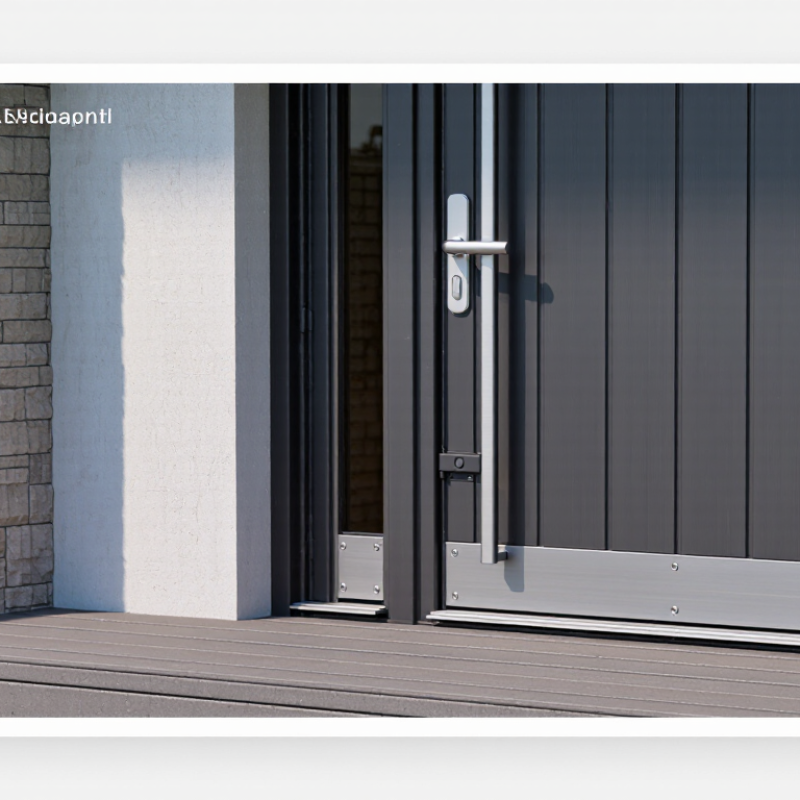
Look closely at the threshold. A quality system should guide water away from the interior floor. The seals should compress evenly when the door closes. The hinges should feel controlled, not loose or noisy. These small signs reveal manufacturing accuracy. Still, the word “premium” can be overused. A high price does not automatically prove better performance.

Dr. Joseph Lstiburek, a respected building-science engineer, has warned, “There are two kinds of buildings: those that have moisture problems and those that will.” His point matters here. Even an attractive aluminum door can fail when installation, flashing, or drainage is neglected. The wall connection matters as much as the door slab.

A reliable evaluation should consider thermal performance, tested air and water resistance, finish durability, security hardware, and installer experience. Ask for documented testing, not vague promises. Check the warranty language carefully. Local climate also changes the decision. Coastal air, heavy rain, freezing winters, and intense sunlight create different demands.

The best choice is practical.

It should open smoothly, seal quietly, and remain stable after years of daily use. This guide examines those qualities, while acknowledging an uncomfortable truth: design appeal is easier to see than engineering quality.
What Is a Premium Aluminum Entry Door?

Definition and Core Features of a Premium Aluminum Entry Door

A premium aluminum entry door is an engineered entrance, not merely a heavy metal panel. Its defining feature is a thermally broken frame, which separates exterior and interior aluminum with a low-conductivity barrier. This reduces conductive heat transfer and surface condensation. The door should also include an insulated core, durable weather seals, and a precisely adjusted threshold. Small gaps matter.

The National Fenestration Rating Council evaluates fenestration products through U-factor, solar heat gain coefficient, visible transmittance, and air-leakage measurements. These ratings provide more reliable evidence than frame thickness alone. The U.S. Department of Energy reports that windows can account for 25–30% of residential heating and cooling energy use. An insulated entry door cannot solve every efficiency problem, but poor sealing can undermine an otherwise efficient wall system.

Good hardware completes the definition. A premium door typically uses corrosion-resistant hinges, reinforced lock zones, and stable multi-point engagement. Low-emissivity glazing can improve comfort near sidelites, while powder-coated finishes help resist fading and abrasion.

Look for tested performance, not attractive claims. A thick frame proves little by itself. Installation remains an imperfect variable; an excellent door can perform poorly when the opening is out of square or the sill is inadequately sealed. These details deserve inspection against NFRC ratings, manufacturer test data, and applicable FGIA performance standards.

Materials, Construction, and Protective Finishes

What Is a Premium Aluminum Entry Door?

A premium aluminum entry door begins with the alloy, not the finish. Strong aluminum profiles resist twisting while keeping the frame relatively light. Thermal breaks separate interior and exterior metal with an insulating strip. This reduces heat transfer around the doorway. However, performance depends on accurate corner joints, seals, and installation. Beautiful profiles cannot correct a badly aligned frame. That detail matters.

During site inspections, I check the frame first. Clean welds or mechanically secured corners should look consistent and rigid. Loose hardware, uneven gaps, or a flexible threshold can signal weak construction. Multi-point locking hardware improves compression, but it still needs precise adjustment. Weather seals should meet evenly without excessive force. Small gaps invite drafts and water. Installation is often the overlooked variable.

Protective finishes help aluminum handle sunlight, moisture, and daily contact. Powder coating forms a durable film, while anodizing preserves a more metallic surface. Both require proper surface preparation and controlled application. Edges and drainage paths deserve special attention. I once underestimated how quickly grit could mark a neglected threshold. No finish is maintenance-free. Rinse off salt and dirt, then inspect seals twice a year. Color consistency can also vary between batches, so sample approval matters.

What Is a Premium Aluminum Entry Door?

Protective finish thickness is one useful indicator of how an aluminum entry door is designed to resist weathering. The chart shows representative midpoint values for common architectural finishes. Actual specifications vary by manufacturer, application method, and required performance level.

A premium aluminum entry door typically combines corrosion-resistant aluminum profiles, a thermally separated frame, an insulated door panel, durable seals, and a carefully specified protective finish. Typical coating thicknesses are approximately 17.5 micrometers for anodized finishes, 90 micrometers for powder coating, and 30 micrometers for liquid PVDF systems.

How Premium Aluminum Entry Doors Perform in Daily Use

A premium aluminum entry door is judged by daily behavior, not showroom shine.

Its rigid frame helps the door stay aligned through repeated opening, closing, and seasonal temperature changes. In busy homes, that means fewer rattles and a smoother latch. Quality thermal breaks reduce heat transfer through the frame.

The U.S. Department of Energy reports that windows and doors can represent about 25% to 30% of residential heating and cooling energy use. A well-designed entry door can therefore support indoor comfort, although it cannot fix poor wall insulation.

Performance depends on more than aluminum. NFRC-rated U-factor and solar heat gain coefficient values offer useful, comparable measurements for thermal efficiency.

Multi-point locks, compression seals, and adjustable hinges can reduce drafts and outside noise. On a rainy morning, the practical test is simple: the threshold should remain dry, and the handle should not require force.

However, even a premium door may disappoint when installation is careless. Small gaps around the frame can undermine expensive materials. No door is maintenance-free. Seals age, hinges need adjustment, and dark finishes may feel hotter in strong sunlight.

Tips: Check the NFRC label before comparing doors. Ask for verified air-leakage and water-penetration results. Inspect the threshold after heavy rain. Clean tracks and seals gently twice a year. Avoid assuming heavier means better; precise installation matters more.

Design Options, Security Features, and Energy Efficiency

What Is a Premium Aluminum Entry Door?

A premium aluminum entry door combines refined design with measurable performance. Common options include slim sightlines, concealed hinges, textured finishes, and large glazed panels. Thermally broken frames reduce direct heat transfer through the metal. This detail matters in both hot and cold climates.

The U.S. Department of Energy reports that windows can represent 25–30% of household heating and cooling energy use. A well-insulated door helps reduce similar comfort losses around the entrance.

Security depends on more than a thick frame. Multi-point locks, reinforced strike plates, laminated glass, and adjustable hinges can resist forced entry more effectively.

The 2023 FBI Crime Data Explorer recorded more than 800,000 burglary offenses in the United States. That figure does not prove one door prevents crime. It does show why tested hardware and careful installation deserve attention. No door is invincible.

Energy performance should be checked through the National Fenestration Rating Council label. Its U-factor indicates heat transfer, while the solar heat gain coefficient shows how much sunlight enters. Lower U-factor values generally improve insulation.

However, ratings can disappoint when installers leave gaps around the frame. Field inspections often find air leakage at thresholds and corners. Small gaps matter.

I would not choose appearance alone. Door orientation, local climate, glass area, and weather-seal quality should shape the final specification.

Installation, Maintenance, and Expected Service Life

A premium aluminum entry door combines a rigid frame, accurate hardware, and carefully finished surfaces. Its performance depends heavily on installation, not appearance alone. A trained installer should inspect the opening, check the sill, and measure diagonals before fixing the frame. Uneven walls can cause rubbing, air leaks, or weak locking. Small errors matter.

During installation, the frame should remain square and level. Appropriate fasteners must suit the surrounding structure, while perimeter gaps need weather-resistant sealing. The door should open smoothly without force. I have found that a final hinge and latch adjustment often prevents future complaints. Still, no installation stays perfect forever. Buildings settle, and seasonal temperature changes can reveal minor movement.

Tips: Clean the threshold and drainage paths every few months. Wipe aluminum with mild soap and water, then dry it with a soft cloth. Avoid abrasive pads and harsh chemicals, which may damage the finish. Inspect seals, hinges, handles, and locks twice a year. Replace cracked weatherstripping promptly. Lubricate moving hardware only with a suitable product, and remove excess residue. With routine care, a quality aluminum entry door may serve for 20 to 30 years, sometimes longer in sheltered conditions. Coastal air, heavy traffic, poor drainage, and neglected maintenance can shorten that period. Keep records of adjustments. They make problems easier to understand.

What Is a Premium Aluminum Entry Door? - Installation, Maintenance, and Expected Service Life

Data Dimension Typical Premium Specification or Range Practical Meaning
Primary construction Extruded aluminum frame and sash, commonly with reinforced corners and corrosion-resistant hardware Provides a strong, relatively lightweight door system that resists rot, insects, and moisture damage.
Thermal design Thermally broken frame with an insulating barrier between interior and exterior aluminum sections Reduces heat transfer and helps limit interior condensation compared with non-thermally broken aluminum frames.
Glazing options Double glazing is common; low-emissivity coatings, argon gas, laminated glass, and triple glazing may be available Glazing selection affects insulation, solar heat gain, daylight, acoustic performance, and security.
Weather sealing Continuous perimeter gaskets, adjustable seals, insulated thresholds, and a replaceable door sweep Properly fitted seals help reduce drafts, water intrusion, dust, and outdoor noise.
Common door configuration Single, double, or door-with-sidelite configurations; custom sizes are often possible The rough opening, wall condition, swing direction, clearance, and local egress requirements must be verified before ordering.
Installation preparation Confirm opening dimensions, sill condition, plumb, level, square, drainage, flashing, and structural support Accurate preparation is essential because an out-of-square opening can cause poor latching, uneven gaps, and premature seal wear.
Typical installation duration Approximately 4–8 hours for a straightforward replacement; longer for structural changes, sidelites, or extensive repairs The actual schedule depends on access, removal of the existing unit, weatherproofing, finish work, and inspection requirements.
Installation sequence Remove old unit, inspect opening, install sill and flashing, set frame, shim, fasten, insulate, seal, hang door, and adjust hardware A complete installation should address both structural fastening and water management rather than relying only on expanding foam.
Post-installation checks Door should swing freely, latch without force, maintain even reveal gaps, compress seals consistently, and drain water outward These checks identify alignment and weatherproofing problems before interior finishes or flooring are affected.
Routine cleaning Wash exposed aluminum and glass with mild soap and clean water at least twice yearly; clean more often near saltwater or heavy pollution Regular cleaning removes salts, grit, and pollutants that can damage finishes and interfere with moving parts.
Hardware maintenance Inspect hinges, locks, handles, rollers, and fasteners annually; lubricate only with a product suitable for the hardware Routine adjustment and lubrication help preserve smooth operation and reduce stress on the frame and latch.
Seal and gasket inspection Inspect at least once a year and after severe weather; replace cracked, compressed, loose, or hardened seals Worn seals are a common cause of drafts, water leaks, rattling, and higher heating or cooling loads.
Finish durability High-quality powder-coated or anodized finishes commonly remain serviceable for about 10–20 years, depending on exposure and care Direct sun, coastal salt, industrial pollution, abrasion, and harsh cleaners can shorten finish life.
Expected service life Approximately 30–50 years for a well-made, properly installed, and maintained aluminum door system The frame may outlast seals, hardware, glazing units, and surface finishes, which can require replacement during the door’s life.
Potential replacement components Weatherstripping, sweeps, rollers, hinges, lock cylinders, handles, closers, glazing seals, or insulated glass units Replacing individual components can extend service life without replacing the entire frame and door assembly.
Climate considerations Coastal, high-humidity, freeze-thaw, and high-solar-exposure locations require more frequent inspection and cleaning Local climate affects corrosion risk, seal movement, finish fading, condensation, and maintenance intervals.
Best-value indicators Thermally broken frame, durable finish, quality weather seals, properly specified glazing, corrosion-resistant hardware, and professional installation Premium performance results from the complete door system and installation quality, not from the aluminum material alone.

Note: Service-life and maintenance ranges are typical estimates. Actual performance varies with design, climate, exposure, installation quality, usage frequency, and maintenance practices.

FAQS

What makes an aluminum entry door premium?

It starts with strong aluminum profiles, accurate joints, and a properly insulated thermal break. The frame should feel rigid, not flexible. Good seals and careful installation matter just as much as the metal. A beautiful finish cannot repair a poorly aligned frame.

How can I inspect the construction before buying?

Check the corners, threshold, hardware, and visible gaps. Clean joints should look consistent and secure. Loose hardware or uneven gaps may indicate weak construction. The threshold should feel firm underfoot. Small details matter.

Do thermal breaks improve indoor comfort?

Yes, thermal breaks separate interior and exterior metal with an insulating strip. They reduce heat transfer around the doorway. This may help rooms feel more stable during seasonal temperature changes. However, the door cannot correct poorly insulated walls.

How does the door perform during daily use?

A rigid frame helps the door stay aligned through repeated opening and closing. The handle should move smoothly without excessive force. Multi-point locks can improve seal compression and reduce drafts. After heavy rain, the threshold should remain dry. That simple test is useful.

What protective finishes are available?

Powder coating creates a durable protective film over the aluminum. Anodizing keeps a more metallic appearance. Both finishes require careful surface preparation and controlled application. Edges and drainage paths deserve extra attention. No finish is maintenance-free.

How should an aluminum entry door be maintained?

Rinse away salt, grit, and dirt before they build up. Use mild soap, clean water, and a soft cloth. Avoid abrasive pads and harsh chemicals. Inspect seals, hinges, handles, and locks twice each year. I once underestimated grit on a threshold. It marked the surface quickly.

What installation details affect performance?

The installer should check the opening, sill, level, and frame diagonals. The frame must remain square and level during fixing. Fasteners should suit the surrounding structure. Perimeter gaps need weather-resistant sealing. A final hinge adjustment often prevents later complaints. Installation is easy to underestimate.

How long can a quality aluminum entry door last?

With routine care, it may serve for 20 to 30 years. Sheltered locations may allow a longer service life. Coastal air, heavy traffic, poor drainage, and neglect can shorten it. Buildings also settle over time. Keep adjustment records. They may reveal recurring problems.

Conclusion

A Premium Aluminum Entry Door is a high-quality entrance system designed to combine strength, refined appearance, lasting performance, and everyday convenience. It is typically built with carefully engineered aluminum frames, durable panels, secure hardware, and protective finishes that help resist moisture, corrosion, fading, and general wear. Its solid construction provides reliable operation while maintaining a modern, clean appearance that can complement many architectural styles.

In daily use, a Premium Aluminum Entry Door can improve security, weather protection, and indoor comfort. Available design options may include different colors, surface textures, glass arrangements, handle styles, and customized dimensions. Reinforced locking systems and well-fitted seals add protection, while insulated cores and energy-conscious glazing can help reduce heat transfer. Professional installation ensures proper alignment, sealing, and smooth operation. With routine cleaning, hardware checks, and occasional finish care, this type of door can provide dependable service and maintain its appearance for many years.

Aveline

Aveline

Aveline is a professional marketing specialist with a deep understanding of the company’s products and the needs they are designed to meet. She regularly contributes expert articles to the company website, sharing clear, practical information that helps readers explore product features, compare......