Featured Architectural Entrance & Exterior Systems
Precision-engineered aluminum, cast alloy, thermal break, and steel security entry solutions certified to European (CE) and global structural standards.
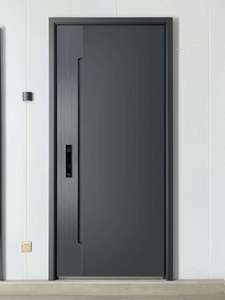
High-quality Custom Aluminum Entrance Doors, Safe, Soundproof And Fireproof, Suitable For Residential Villas
Contact Us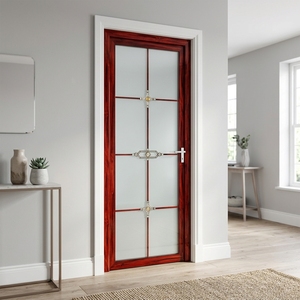
Commercial Classic Style Waterproof Anti Corrosion Aluminum Villa Indoor Use Bathroom Door
Contact Us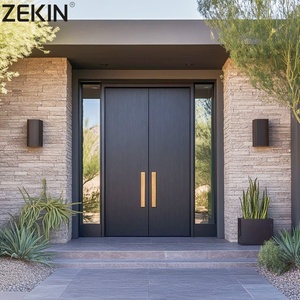
ZEKIN Aluminum Double House Front Entry Luxury Glass Door Anti-theft Front Entry Double Exterior Doors Double Entry Door
Contact Us
Customized Large Size Soundproof Impact Resistant High Performance Hurricane Proof Modern Thermal Break Aluminum Folding Door
Contact Us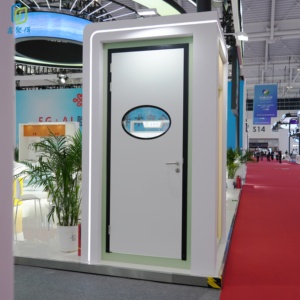
Fire Rated Modern Finished Steel Security Door with Stainless Steel Screen Fireproof Exterior Entry Door for Apartment House
Contact Us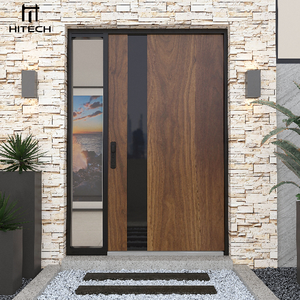
Hitech Modern American Design House Front Pivot Door Large Entrance Modern Entry Door Security Doors For Houses Exterior
Contact Us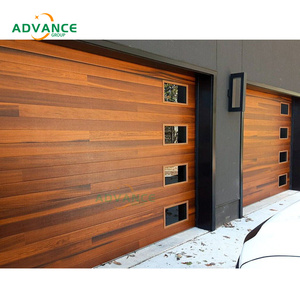
American 16x8 Black Security Garage Door Double Wooden Home Residential Garage Doors for Home
Contact Us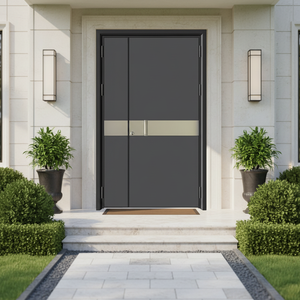
Luxury Cast Aluminum Front Entry Door High Security Anti-Theft Fire Prevention Pivot Design Premium Alloy Frame Modern
Contact UsEngineering Luxury Front Entrance Systems: Structural Integrity & Compliance
A deep dive into materials science, thermal envelope optimization, and burglar-proof mechanical design for high-end residential and commercial architecture.
Why CE Certification (EN 14351-1) Matters in High-End Door Sourcing
In global architectural procurement, CE marking under European Standard EN 14351-1 serves as the definitive benchmark for external pedestrian doorsets without fire resistance or smoke control characteristics. Achieving compliance requires rigorous laboratory validation across key performance parameters: Wind Load Resistance (EN 12210), Water Tightness (EN 12208), Air Permeability (EN 12207), and Thermal Transmittance (EN ISO 10077-2).
As premier CE Certified luxury front door manufacturers, Foshan Aluvoy Entry Door Systems Co., Ltd. integrates aviation-grade 6063-T6 aluminum profiles, high-density polyamide thermal breaks, and structural cast alloy paneling to deliver entrance systems that reliably withstand extreme environmental stresses, coastal salinity, and acoustic distortion.
Architectural Categories of Luxury Entrance Doors
Comparing technical advantages, security mechanisms, and thermal performance across core door typology configurations.
Architectural Pivot Doors
Designed for grand openings up to 3000mm in height and 2000mm in width. Utilizes heavy-duty floor-spring German hardware capable of supporting 500kg sash weights while maintaining soft-closing kinematic operation.
Monolithic Cast Aluminum Portals
Solid vacuum-cast aluminum plates (8mm to 12mm thickness) layered over insulated polyurethane cores. Provides unmatched anti-vandalism, RC3/RC4 burglary protection, and lifelong weather resistance in marine environments.
Thermal Break Folding & Double Entry
Multi-panel double entry and folding configurations featuring continuous Technoform polyamide barrier strips (PA66GF25), reducing U-values down to 1.1 W/m²K for Passive House architectural energy compliance.
Future Procurement & Design Trends in Luxury Entrance Doors
Key market shifts transforming how commercial developers, luxury residential builders, and B2B importers specify entrance door systems over the next decade.
1. Invisible Smart Security & Biometric Integration
The era of traditional mechanical keys is rapidly declining in luxury residential projects. Future-ready procurement prioritizes invisible motorized multi-point locks seamlessly integrated with facial recognition, 3D fingerprint sensors, smart home automation (KNX/Zigbee), and hidden electric strikes embedded within the extruded aluminum frame profile.
2. Ultra-Low U-Value & Aerogel Thermal Insulation
With worldwide carbon neutrality mandates accelerating, global building codes require facade U-values below 0.85 W/m²K. Importers are increasingly specifying front doors engineered with silica aerogel infill layers, triple-pane Low-E argon gas glazing, and quadruple perimeter EPDM gasket seals to eliminate thermal bridging entirely.
3. Oversized Overspecified Geometry & Pivot Mechanics
Modern architectural aesthetics demand expansive, flush-fit entrance visual impact. Demand is shifting toward floor-to-ceiling pivot structures exceeding 1.5 meters wide and 3.5 meters high. These systems require advanced internal tensioning rods inside the sash to prevent profile warping caused by thermal expansion differences between internal and external surfaces.
4. Fluorocarbon PVDF & C5-M Marine Anti-Corrosion Finishes
For coastal villas and high-exposure urban complexes, standard powder coatings are no longer acceptable. Procurement specifications now mandate Qualicoat Class 2 or 3 certified fluorocarbon (PVDF) surface treatments offering a 30-year resistance against UV fading, chalking, and salt-spray oxidation under ISO 12944 C5-M marine environment standards.
Global Industry Development Trends: From Standard Joinery to Engineered Envelopes
Understanding the paradigm shift in international entrance door manufacturing and supply chain harmonization.
Harmonization of International Certifications
Top-tier manufacturers no longer isolate market compliance. Leading exporters build universal profile systems validated simultaneously under CE (Europe), AS2047 / SAI Global (Australia), NFRC (North America), and Florida Hurricane Product Approval. This allows global developers to standardize architectural drawings across international projects.
Digital Twin & BIM Object Integration
Leading luxury door manufacturers provide comprehensive 3D BIM (Building Information Modeling) objects, CAD detail drawings, and parametric Revit files. This digital enablement empowers architectural firms to evaluate structural wind load calculations, solar heat gain coefficients (SHGC), and opening clearance tolerances early in the design phase.
Recycled Eco-Aluminum Extrusions
Sustainability mandates in North America and Europe are driving adoption of low-carbon aluminum billets produced via hydro-powered smelting processes. By integrating 75%+ post-consumer recycled aluminum, export manufacturers significantly lower the embodied carbon footprint of luxury building envelopes without sacrificing tensile yield strength.
Why Direct Sourcing from Foshan Aluvoy Entry Door Systems Ensures Success
Established in 2005, Foshan Aluvoy represents the pinnacle of Chinese precision engineering, international compliance, and reliable export logistics.
20,000 m² Advanced Factory & Dual Lines
Our state-of-the-art manufacturing facility houses two automated CNC profile machining lines, double-head precision miter saws, pneumatic corner-crimping stations, and dust-free silicone sealing booths, ensuring millimeter-perfect dimensional tolerances across all production batches.
100% In-House Production & Strict QC
Unlike trading suppliers who outsource assembly, every step—aluminum extrusion cutting, CNC milling, hardware mortising, glass panel glazing, corner joint structural gluing, and final hydrostatic test fitting—is executed completely in-house by over 150 skilled technicians.
Rapid 24-Hour CAD Shop Drawing Approval
To mitigate fitment errors on job sites, our dedicated engineering division converts architectural blueprints into comprehensive 2D/3D fabrication drawings within 24 hours. Production commences only after explicit buyer sign-off on structural dimensions, glass specs, and frame thresholds.
10,000+ Export Containers & Crate Security
With over two decades of shipping experience to the USA, Canada, Australia, and Europe, our custom fumigated wooden crate packing and internal steel-strapped container loading guarantee zero transit breakage or water corrosion upon arrival at your port.
10-Year Comprehensive Structural Warranty
We stand firmly behind our engineering quality. All aluminum structural extrusion profiles, hardware lock sets, thermal break bonds, and glass seal integrity are backed by an official 10-year factory warranty, supported by dedicated global remote technical service.
SAI Global, NFRC, Florida & CE Certified
Foshan Aluvoy was among the earliest Chinese door manufacturers to secure authentic SAI Global AS2047 certification alongside NFRC energy ratings and Florida Hurricane Impact approvals—offering seamless legal compliance for international building code inspections.
Frequently Asked Questions for Overseas Front Door Procurement
Clear, expert answers addressing technical compliance, structural customizability, shipping protection, and engineering support.
1. What specific testing standards do your CE Certified entrance doors meet?
Our aluminum entrance door systems are fully tested and certified under European Standard EN 14351-1. This includes air permeability classification up to Class 4 (EN 12207), water tightness up to Class E900 (EN 12208), wind load resistance up to Class C5 (EN 12210), and operating forces under EN 12217. Test certificates issued by notified testing laboratories are available upon request for project submittals.
2. How do you prevent structural warping in large aluminum pivot doors installed in extreme climates?
Extreme thermal differentials between outdoor summer heat (or winter cold) and air-conditioned interiors can cause long aluminum profiles to bow due to thermal expansion. We engineer our luxury pivot sashes with internal adjustable mechanical tensioning anti-warping rods embedded within the core profile. Additionally, we utilize multi-piece thermal break strips (PA66GF25) that decouple inner and outer aluminum skins, preventing structural deflection.
3. Can you manufacture doors according to custom architect CAD drawings and non-standard rough openings?
Yes, 100% of our production is custom-fabricated to project specification. Whether your project requires arched transoms, integrated side-lites, customized mullion layouts, or oversized door sashes up to 3.5m in height, our engineering team prepares factory shop drawings based on your schedule. We verify jamb depths, threshold elevations, substrate attachment details, and rough opening tolerances before cutting raw materials.
4. What burglary resistance and security lock options are available for villa entrance doors?
Our luxury entrance series can be configured to achieve European Resistance Class RC2, RC3, or RC4 under EN 1627. Security options include German multi-point hook locks (Siegenia, GU, or Winkhaus), anti-drill manganese steel lock shield plates, heavy-duty anti-lift hinge pins, continuous solid cast aluminum panels, and laminated security glass (PVB or SGP interlayers) capable of resisting forced entry and impact.
5. How does Foshan Aluvoy ensure quality control during volume production?
Our quality assurance workflow follows a strict 6-stage process: 1) Spectrographic inspection of raw aluminum extrusions; 2) Anodizing and powder coating thickness checks (minimum 60-80 microns); 3) Precision CNC machining tolerance checks; 4) Dual-component corner sealant application verification; 5) Pre-shipment trial assembly in our factory testing rig; 6) 100% hydrostatic and pneumatic air-seal spot testing.
6. What threshold options are available for ADA accessibility and severe rain protection?
We offer versatile sill engineering options: Ultra-low thermal break ADA compliant thresholds (under 1/2 inch height) for seamless wheel-chair access, heavy-duty drainage thresholds with integrated non-return water flap valves for hurricane coastal zones, and automatic drop-down bottom weather seals that seal tight against the floor when the door closes while remaining completely hidden when opened.
7. How are oversized fragile glass and aluminum doors packed to guarantee damage-free sea freight delivery?
All door frames and sashes are individually wrapped in protective anti-scratch film and impact-absorbing polyethylene foam corners. Entire units are housed inside fully enclosed, fumigated solid plywood crates with internal rubber shock absorbers and steel banding. Crates are custom-built to fit ocean container dimensions, preventing internal movement during ocean transport.
8. What warranty coverage do you provide, and how is after-sales support managed remotely?
We provide an official 10-Year Factory Warranty covering structural extrusion integrity, thermal break adhesion, and powder coating adhesion. Hardware mechanisms carry a 5-year replacement warranty. In the rare event of a component failure, we air-ship replacement parts immediately and provide step-by-step video technical guidance from our senior engineering division.
Partner with a Certified Luxury Entrance Door Manufacturer
Whether you are an architect specifying custom pivot doors for a modern estate, a developer seeking CE certified building envelopes, or an importer expanding your premium line, our engineering team is ready to review your project drawings.
Contact Us