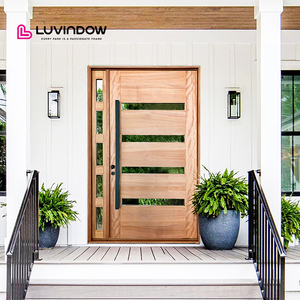
Featured Security Entry Doors & Architectural Systems
Direct OEM/ODM Factory Supply • Custom Thermal Break Profiles • Multi-Point Security Locks
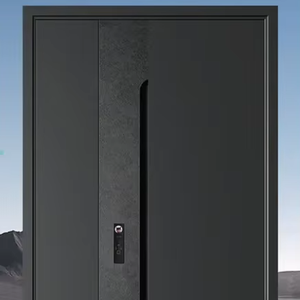
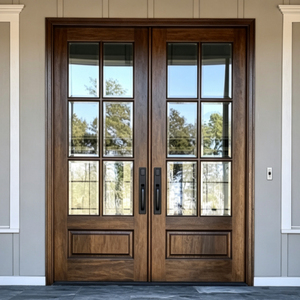
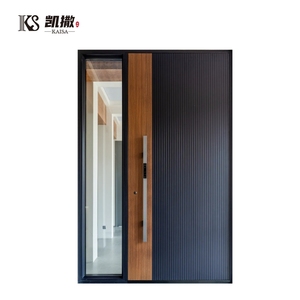
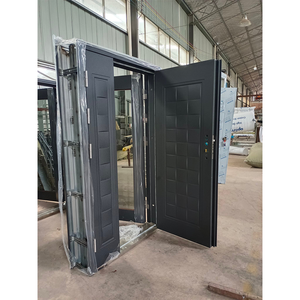
20+
Years Manufacturing Excellence (Est. 2005)
20,000m²
Advanced Automated CNC Workshop Facility
10,000+
Export Containers Delivered Globally
10-Year
Comprehensive Structural Warranty
Engineering Advantages of Foshan Entry Systems
Technical Superiority Built on Precision Extrusion Metallurgy, Thermal Efficiency, and Forced-Entry Protection
High-Tension T6063-T6 Extrusions
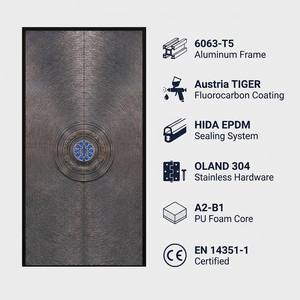
Engineered with primary structural aluminum profiles boasting wall thicknesses up to 3.0mm, yielding extreme torsional rigidity and resistance against mechanical breach attempts.
Polyamide Thermal Barriers
Utilizes imported PA66GF25 (25% glass fiber reinforced polyamide) thermal break strips to cut thermal conductivity, delivering U-factors down to 0.18 for optimal energy compliance.
Multi-Point Motorized Locking
Fully integrated with German active multi-point locking gear, anti-snap euro cylinder cores, and optional biometric/RFID smart access control systems.
Coastal Weatherproofing & PVDF
Tested against 3,000+ hours of continuous salt spray (ASTM B117). Premium AkzoNobel Fluorocarbon (PVDF) powder coating guarantees zero chalking or corrosion in coastal regions.
Florida Hurricane Impact Rated
Engineered laminated glazing (SGP interlayer options) designed to withstand Category 5 hurricanes and large-missile impact testing under TAS 201/202/203 protocols.
BIM / CAD Shop Drawing Support
In-house structural engineering teams prepare precise 2D/3D shop drawings for architect sign-off prior to production, eliminating jobsite fitment errors.
Whitepaper: Sourcing High-Security Aluminum Entry Systems from Top Chinese Manufacturers
As global architectural design shifts rapidly toward structural minimalism, high thermal performance envelopes, and elevated perimeter physical security, extruded aluminum entry door systems have replaced traditional solid timber and lightweight pressed steel doors in premium commercial and residential developments. Understanding the exact mechanical specifications, alloy compositions, surface chemistry, and certification protocols is vital for international buyers, architectural specifiers, and commercial procurement managers.
1. Metallurgy & Structural Frame Extrusions
The core factor dictating an entry door's longevity and burglar resistance lies in its aluminum alloy specification. Top-tier Chinese manufacturers like Foshan Aluvoy Entry Door Systems Co., Ltd. utilize virgin T6063-T6 or T6060 aluminum billets. Unlike recycled aluminum scraps containing high impurity ratios, virgin T6063-T6 provides optimal tensile strength (minimum 205 MPa) and yield strength (minimum 170 MPa).
Key structural parameters required for commercial-grade entry security include:
- Structural Wall Thickness: Outer frame wall thickness must maintain between 2.0mm and 3.0mm. Sub-standard residential doors frequently skimp at 1.2mm–1.4mm, rendering them prone to frame flexing during forced-entry pry attempts.
- Corner Joinery Engineering: High-security doors employ heavy-duty cast aluminum corner cleats reinforced with two-component polyurethane structural adhesive injected via automated pneumatic press systems. This guarantees structural hermetic sealing and prevents corner seam separation over decades of operation.
- Sash Depth: Profile depth spanning from 75mm to 100mm allows deep glass bite embedment and multi-layered insulation pockets.
2. Thermal Breaking Technology & Acoustic Comfort
Raw aluminum is a natural conductor of thermal energy. To fulfill modern building energy codes (such as ASHRAE 90.1 in the US or Section J of the NCC in Australia), entry systems incorporate a dual-chamber thermal break assembly. High-tier Chinese suppliers utilize PA66GF25 polyamide barrier strips reinforced with 25% glass fiber.
This thermal break mechanism insulates the interior aluminum profile from exterior ambient temperatures, effectively combating condensation formation, lowering Solar Heat Gain Coefficients (SHGC), and lowering total U-values to under 0.22 BTU/(h·ft²·°F). Concurrently, when combined with multi-layer EPDM seals and triple-glazed gas-filled laminated glass assemblies, sound transmission class (STC) ratings can reach STC 42–45, blocking urban traffic noise.
3. Perimeter Physical Security & Hardware Compatibility
A secure aluminum door frame requires an equally robust locking mechanism. Modern OEM entry door factories in Foshan integrate high-security European hardware suites including:
- Multi-Point Locking Gears: Active locking hooks and deadbolts engaging into heavy stainless-steel strike plates at 3, 5, or 7 distributed points along the jamb.
- Anti-Drill & Anti-Snap Cylinders: Euro-profile lock cylinders rated to EN 1303 Class 6 security standards featuring hardened steel pins to counter drilling, picking, and snapping.
- Heavy-Duty Hinge Systems: 3D-adjustable concealed pivot hinges or stainless-steel flag hinges capable of supporting sash weights up to 300 kg (660 lbs) without sagging.
- Smart Access Interfacing: Seamless integration for motorized multi-point locks compatible with biometric fingerprint readers, keypads, facial recognition, and smart home automation hubs.
Global Sourcing Comparison Matrix
Evaluating Chinese Top-Tier Manufacturers vs. European Brands and Local Wholesale Distributors
| Evaluation Metrics | Top-Tier China Factories (Aluvoy) | European Premium Brands | Local Domestic Distributors |
|---|---|---|---|
| Direct Unit Cost | Factory Direct ($200 - $600/m²) | High Premium ($800 - $2,200/m²) | Marked Up 150% - 300% |
| Custom Extrusion Depth | Full OEM/ODM, Custom Tooling & Colors | Fixed Standard Profile Systems | Limited to In-Stock Catalogues |
| Global Certifications | AS2047, NFRC, Florida Impact Approved | CE, DIN Standard Compliant | Depends on Local Reseller |
| Lead Time (Project Supply) | 25 - 35 Days Fabrication | 12 - 20 Weeks Import Lead Time | 1 - 3 Weeks (Stock Units Only) |
| Quality Control Rigor | 100% In-House Assembly & Pressure Chamber QC | Strict ISO Protocols | Visual Receiving Check Only |
Future Sourcing Trends for Architectural Aluminum Entry Systems
As commercial developers and custom villa builders look toward the next decade, entry door procurement strategies are evolving beyond basic aesthetics. The following major technological shifts are re-shaping B2B purchasing specifications:
A. Ultra-Large Format Pivot Entry Doors
Architectural trends favor grand entry portals. Oversized aluminum pivot doors reaching heights of up to 4.5 meters (15 feet) and widths of 2.2 meters are increasingly requested. Manufacturing these massive units requires specialized structural internal ribbing, heavy-duty hydraulic floor pivots, and multi-chamber perimeter seal geometry to handle heavy wind load deflection.
B. Circular Material Sourcing & Low-Carbon Aluminum
ESG procurement mandates across North America, Europe, and Australia demand documented carbon footprint metrics. Leading Chinese aluminum door manufacturers are adopting eco-friendly powder coatings free of Volatile Organic Compounds (VOCs) and sourcing aluminum melted using hydropower energy to minimize embodied carbon per square meter.
C. High-Velocity Hurricane Zone (HVHZ) Integration
Climate disruption has elevated wind-load testing requirements across coastal regions. Modern entry doors now integrate heavy SentryGlas® (SGP) ionoplast interlayers within laminated glass panels. These maintain glass sheet integrity even after severe missile impacts, preventing structural envelope blowout during hurricane events.
Why Foshan Aluvoy is Your Reliable Strategic Manufacturing Partner
Complete In-House Control from CAD Shop Drawings to Seaworthy Export Packing
20,000m² Dedicated Production Base
Operating two high-speed automated extrusion machining lines, automated CNC cutting centers, and precision corner-crimping rigs capable of outputting 15,000 m² of certified entry systems monthly.
Authentic Overseas Certifications
Verified AS2047 certification issued via SAI Global for Australia, official NFRC thermal performance ratings for North America, and Florida Product Approvals for high-velocity hurricane zones.
Comprehensive In-House Testing
Every structural door design undergoes rigorous in-house air infiltration (ASTM E283), water resistance (ASTM E331), and structural wind pressure (ASTM E330) validation prior to container loading.
Frequently Asked Questions for Sourcing Entry Doors from China
Expert Answers to Help You Audit Suppliers, Verify Compliance, and Manage Importing Logistics
What structural certifications should I verify when importing aluminum entry doors from China?
Always demand official third-party audit credentials specific to your target region. For Australia, look for authentic AS2047 certification issued by accredited bodies such as SAI Global. For North America, request NFRC window/door energy ratings and AAMA/WDMA/CSA 101/I.S.2/A440 performance standards. If installing in hurricane zones (e.g., Florida), verify valid Florida Product Approval numbers covering wind-borne debris impact tests (TAS 201/202/203 or ASTM E1886/E1996).
How do Chinese entry door factories ensure dimensional accuracy for custom architectural drawings?
Top suppliers like Foshan Aluvoy employ dedicated teams of façade engineers. Upon receiving your architectural floor plans or door schedule, we prepare complete 2D/3D CAD shop drawings detailing structural wall thickness, threshold height, substrate anchoring, glass bite, and lock placement. Production begins only after formal sign-off from the buyer or project architect.
What is the difference between thermal break aluminum and non-thermal break aluminum doors?
Non-thermal break aluminum consists of a solid aluminum profile, which readily conducts exterior heat or cold into the interior space. Thermal break aluminum door profiles feature an insulated polyamide (PA66GF25) strip structural bridge joining interior and exterior extrusion chambers. This thermal bridge drastically reduces thermal conduction, prevents condensation, improves energy efficiency, and provides superior soundproofing.
What surface coating options provide maximum corrosion resistance in coastal regions?
For coastal environments subjected to high atmospheric salt levels, we recommend Fluorocarbon (PVDF) coating or Class 2/3 Powder Coating (e.g., AkzoNobel or Jotun). PVDF finishes undergo 3,000+ hours of ASTM B117 salt spray testing and withstand harsh UV exposure without fading, chalking, or blistering, supported by a 10 to 20-year finish warranty.
What is the typical B2B lead time for containerized OEM entry door orders?
Standard fabrication time for customized aluminum entry doors typically ranges between 25 and 35 calendar days following CAD shop drawing approval and deposit confirmation. Ocean freight transit times vary depending on the destination port: approximately 14–20 days to US West Coast, 25–35 days to US East Coast, and 12–18 days to Australia.
How are ocean freight shipping risks minimized to prevent frame scratching or glass breakage?
Export doors undergo a multi-layer protective packaging sequence: first wrapped in protective film and protective corner caps, then encased in shock-absorbing EPDM foam wrap, and sealed inside fully enclosed, ISPM-15 compliant fumigated plywood crates. Crates are strapped directly inside ocean containers to prevent movement during transit.
Ready to Source High-Security Entry Doors for Your Next Project?
Send your project opening schedule or architectural drawings to our engineering team for instant technical evaluation and factory-direct pricing.