Featured Residential Aluminum Doors
Architectural-grade entrance systems manufactured to custom project shop drawings, engineered with thermal insulation barriers, heavy-duty hardware, and code-compliant certification.
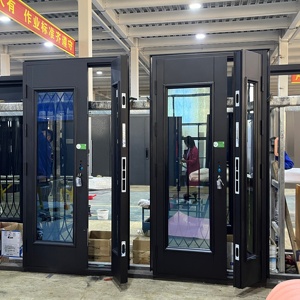
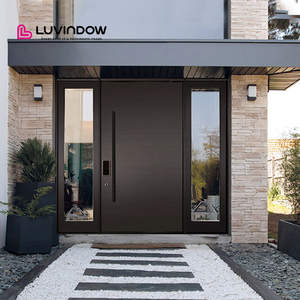
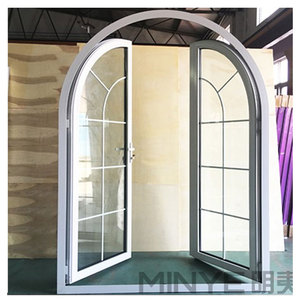
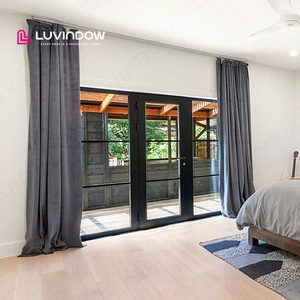
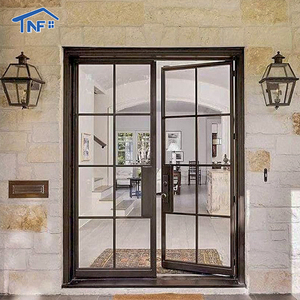
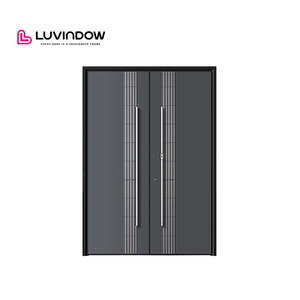
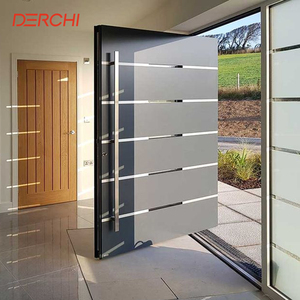
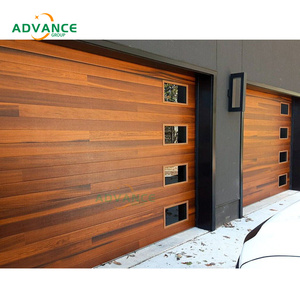
Architectural Aluminum Door Engineering & Metallurgy
An in-depth technical analysis for architects, general contractors, structural engineers, and commercial door importers sourcing high-performance entrance systems from Chinese manufacturing hubs.
When sourcing custom architectural aluminum doors from Chinese export hubs such as Foshan, evaluating structural profile metallurgy, thermal insulation physics, surface coating longevity, and glass assembly integrity is paramount. In modern residential construction—spanning luxury coastal villas, urban multi-family developments, and high-wind zone custom homes—aluminum entrance systems are no longer passive barriers; they are active, high-load thermal and security envelopes.
1. Profile Metallurgy & Structural Wall Thickness Standards
The structural backbone of high-performance wholesale aluminum residential doors lies in high-purity extruded aluminum alloys, primarily 6063-T5 and 6060-T6. Tensile strength, yield point, and hardness vary significantly depending on alloy heat treatment and extrusion precision:
- 6063-T5 Alloy Dynamics: Tensile strength ≥ 185 MPa, yield strength ≥ 145 MPa, Webster hardness ≥ 12 HW. Ideal for complex architectural geometry, narrow sightline profiles, and smooth anodized or powder-coated finishes.
- 6060-T6 Heavy-Duty Structural Extrusions: Tensile strength ≥ 205 MPa, yield strength ≥ 170 MPa. Used in large-scale pivot doors, hurricane impact entryways, and multi-track sliding panel frames requiring high deflection resistance under extreme wind pressures.
- Wall Thickness Verification: Standard residential doors often utilize 1.4mm to 1.8mm wall thicknesses. However, architectural export standards (such as Australian AS2047 and North American hurricane codes) demand structural door outer frame profiles to range between 2.0mm and 3.0mm, preventing frame twisting under load.
2. Thermal Break Science: Polyamide PA66-GF25 vs. Standard PVC Inserts
To combat thermal bridging in conductive aluminum profiles, premium Chinese factories incorporate structural thermal insulation barriers. The physical properties of these barrier materials dictate the long-term energy efficiency of the building envelope:
| Insulation Metric | Polyamide PA66-GF25 Strip (Technoform Standard) | Low-Cost PVC Plastic Strip |
|---|---|---|
| Thermal Conductivity (λ) | 0.30 W/m·K (Ultra-low heat transfer) | 0.17 to 0.25 W/m·K (Degrades rapidly) |
| Linear Thermal Expansion (α) | 2.3 × 10⁻⁵ /K (Matches aluminum perfectly) | 8.0 × 10⁻⁵ /K (3x higher expansion; causes shear failure) |
| Transverse Tensile Strength | ≥ 80 N/mm (High mechanical integrity) | ≤ 30 N/mm (Risk of frame separation under wind loads) |
| Heat Distortion Temperature (HDT) | 250°C (Withstands powder coating curing ovens) | 70°C to 90°C (Deforms under direct solar radiation) |
By pairing 24mm to 34mm multi-cavity Polyamide PA66-GF25 thermal break strips with continuous EPDM (Ethylene Propylene Diene Monomer) gasket seals, full door frame thermal performance drops from an uninsulated U-factor of 5.8 W/m²K down to an energy-efficient U-factor ≤ 1.4–1.8 W/m²K (NFRC certified).
3. Coating Metallurgy: Powder Coating, PVDF, & Anodizing Durability
Exterior residential front entry and patio doors face aggressive environmental stressors, including ultraviolet radiation, airborne moisture, industrial pollutants, and marine salt spray. Premium Chinese wholesale exporters utilize three primary surface protection systems:
- AAMA 2604 / AAMA 2605 Powder Coating: Utilizing thermosetting fluoropolymer or super-durable architectural polyester powders (e.g., AkzoNobel, PPG). AAMA 2605 coatings guarantee resistance to chalking, color fading, and gloss retention for up to 20 to 30 years in severe sunlight.
- PVDF (Polyvinylidene Fluoride) Fluorocarbon Coating: 3-coat/3-bake liquid fluorocarbon spraying systems. Offers unmatched resistance to chemical atmospheric erosion, high humidity, and extreme temperature fluctuations (-50°C to +150°C).
- Architectural Anodizing (Class 1 - 20μm+): Electrolytically formed aluminum oxide layer providing metallic texture, scratch resistance (Mohs hardness 7-8), and absolute immunity to blistering or peeling in harsh coastal environments.
4. High-Performance Insulated & Laminated Impact Glazing
The glass unit accounts for up to 80% of an entry or patio door's surface area. Architectural door performance relies on specialized Insulated Glass Units (IGU) and laminated hurricane safety glass:
- Low-E Double & Triple Glazing: Double-pane (6mm + 12Ar + 6mm) or triple-pane glazing featuring soft-coat Low-E coatings (e.g., Solarban 60/70) filled with 90%+ high-purity Argon gas and warm-edge Swisspacer technology to minimize solar heat gain (SHGC ≤ 0.22).
- Hurricane Impact Laminated Glass: Comprising toughened exterior glass bonded to an inner safety core using high-viscosity PVB (Polyvinyl Butyral) or rigid structural SGP (SentryGlas Interlayer). SGP interlayers provide 5 times the tear strength and 100 times the rigidity of standard PVB, holding glass intact even when shattered during Category 5 windstorm impact tests.
Global Certification & Compliance Verification Matrix
Comparative analysis of international building codes for importing aluminum windows and doors into Australia, North America, and Florida High-Velocity Hurricane Zones (HVHZ).
| Target Region | Mandatory Standard / Certification | Key Performance Indicators Tested | Foshan Aluvoy Factory Compliance Standard |
|---|---|---|---|
| Australia & New Zealand | AS2047 / AS1288 (SAI Global Accredited) |
AS4055 Wind Loads, Air Infiltration (AS2047), Water Penetration Resistance (≥ 450 Pa), Ultimate Strength (≥ 4500 Pa) | Full series SAI Global AS2047 certified with verified audit reports and serial sticker trace. |
| United States & Canada | NFRC / AAMA / WDMA (CSA Certified) |
U-Factor (Thermal Conductance), Solar Heat Gain Coefficient (SHGC), Visible Transmittance (VT), Air Leakage (≤ 0.3 cfm/ft²) | NFRC certified thermal break extrusions meeting Title 24, IECC, and ENERGY STAR specifications. |
| Florida & Coastal HVHZ | Florida Product Approval (TAS 201/202/203, ASTM E1886/E1996) |
Large Missile Impact Test (9-lb 2x4 stud shot at 50 ft/s), Cyclic Wind Pressure Fatigue (9,000 cycles up to DP70+) | Florida Hurricane Approved impact sliding, casement, and pivot doors with structural SGP laminated glass. |
Why Leading Global Builders Source from Aluvoy
Mitigating overseas import risks through precision CNC automation, in-house quality control, and complete shop drawing engineering.
100% In-House Production
Cutting, machining, punching, thermal strip crimping, glass glazing, and final load testing are performed 100% in-house in our 20,000+ m² factory to eliminate sub-contractor quality drift.
Certified Global Standards
Authentic AS2047 (SAI Global), NFRC, and Florida Product Approval documentation ready for immediate submission to municipal building inspectors and architects.
CAD & BIM Shop Drawings
Our specialized structural engineers translate architectural drawings into precise fabrication shop drawings for buyer sign-off, ensuring 100% jobsite fit accuracy.
Seaworthy Steel-Frame Crating
With 10,000+ containers shipped, our fully enclosed steel-reinforced plywood crates with protective foam film prevent shipping damage and glass breakage during maritime transit.
10-Year Factory Warranty
Backed by a 10-year comprehensive structural warranty on extruded aluminum frames, glass unit seals, and surface powder coatings for complete buyer confidence.
1,000+ Factory Visits
Over 1,000 international project managers, developers, and door distributors from 30+ countries have audited our Foshan factory and verified our QC protocols.
Future Procurement Trends in Wholesale Aluminum Doors
Key strategic shifts reshaping B2B sourcing, cost management, and environmental compliance over the next decade.
1. Factory-Direct CAD/BIM Co-Engineering
The traditional procurement model of selecting off-the-shelf door dimensions is being replaced by direct digital collaboration between overseas architectural teams and Chinese OEM factory engineering departments.
By embedding 3D BIM (Building Information Modeling) objects into project drawings early, Chinese factories can adjust structural mullion reinforcements, threshold drain pans, and rough opening tolerances, cutting lead times by up to 25% and eliminating field refitting costs.
2. EPD & Decarbonization in Procurement
Environmental Product Declarations (EPD) and Embodied Carbon Metrics are becoming mandatory qualification criteria for B2B door importers supplying LEED, BREEAM, or Net-Zero certified residential developments in North America and Australia.
Leading Foshan manufacturers are transitioning to eco-friendly hydroelectric-smelted primary aluminum ingots and non-toxic powder coating processes, drastically reducing Scope 1 and Scope 2 carbon footprints for international buyers.
3. Optimized Freight Density & Knock-Down (KD) Shipping
With global container ocean freight volatility, maximizing shipping volume density is critical for wholesale buyer margins.
Advanced door factories offer modular Knock-Down (KD) assembly frames paired with pre-glazed sash panels. This system increases container loading capacity by 30% to 45% compared to fully assembled oversized door units, driving down freight costs per unit without sacrificing jobsite assembly quality.
4. De-Risking Ocean Logistics & Quality Audits
B2B buyers are moving away from unverified trading companies toward verified physical manufacturers with real-time video QC tracking and third-party inspection access (SGS, TÜV, Intertek).
Comprehensive pre-shipment testing—including hydrostatic water penetration pressure chambers and operational cycle testing—guarantees zero defect rates prior to container seal lock.
Future Technological & Design Trends in Residential Doors
Innovations shaping modern residential architecture: ultra-slim sightlines, smart home access, and passive thermal envelopes.
Ultra-Slim Minimalist Profiles
Interlocking stile widths engineered down to 20mm - 25mm, maximizing daylighting and creating seamless indoor-outdoor luxury transitions without compromising DP rating or deflection limits.
Biometric & Smart Access Integration
Concealed motorized multi-point solenoid locks, biometric fingerprint sensors, 3D facial recognition entry, and smart home hub integration built directly into aluminum pivot and front entry frames.
Passive House & Vacuum Glass
Integrating ultra-thin Vacuum Insulated Glass (VIG) into multi-cavity thermal break aluminum profiles to achieve ultra-low U-factors (≤ 0.8 W/m²K), meeting strict passive home energy targets.
6-Step Precision Manufacturing & Quality Control System
How Aluvoy ensures absolute engineering compliance from raw material aluminum extrusion to jobsite arrival.
Step 1: Architectural Drawing Review
Structural analysis of project drawings, wind load metrics, rough opening dimensions, and local building code compliance check.
Step 2: CNC Machining & Milling
Automated 5-axis German CNC machining centers perform precision profile cutting, lock slot routing, and water drainage hole milling.
Step 3: Thermal Break Insertion
Technoform Polyamide PA66-GF25 thermal strips inserted and mechanically knurled and crimped into aluminum extrusion cavities.
Step 4: Glazing & EPDM Sealing
Installation of certified IGU/SGP laminated glass, continuous EPDM weatherstripping gaskets, and structural silicone sealant curing.
Step 5: Rigorous QC & Water Test
100% pre-assembly inspection, sash operation testing, and hydrostatic water spray pressure rack checks for airtightness.
Step 6: Steel Crating & Export Load
Seaworthy fumigated steel-frame plywood packing, shock-absorbent corner guards, and container loading supervision.
Frequently Asked Questions by B2B Buyers & Importers
Direct technical answers to key questions regarding certification, manufacturing lead times, warranty, and ocean freight logistics.
What certifications do your wholesale aluminum residential doors hold for import compliance?
Our aluminum window and door systems hold verified international accreditations for major export destinations. For the Australian market, our products carry authentic AS2047 certification issued by SAI Global, covering structural deflection, water penetration resistance (up to 450Pa+), and air infiltration standards per AS1288. For North America, our thermal series hold NFRC certification for U-Factor, SHGC, and Visible Transmittance compliance. Furthermore, our hurricane impact resistant lines possess official Florida Product Approval (HVHZ testing under TAS 201/202/203 and ASTM E1886/E1996).
Which overseas markets do you primarily export to, and can you handle custom architectural drawings?
Our core export markets include the United States, Canada, Australia, and Western Europe. Since 2005, over 1,000 buyers from 30+ countries have visited our Foshan factory facility. We specialize 100% in custom fabrication to match buyer architectural plans. Every order undergoes detailed CAD/BIM shop drawing engineering for customer sign-off prior to raw profile extrusion cutting and CNC machining.
What thermal break technology is used, and how does it affect energy ratings?
We utilize high-performance Technoform Polyamide PA66-GF25 structural multi-cavity thermal break strips (24mm to 34mm width). Unlike cheap PVC alternatives, Polyamide PA66-GF25 has an identical coefficient of thermal expansion to aluminum, preventing structural shear failure under thermal stress. Paired with argon-filled Low-E double or triple insulated glass units, our door systems achieve overall U-factors as low as 1.4 W/m²K, substantially reducing building HVAC energy consumption.
What is your factory standard warranty and quality control process?
We back our aluminum door systems with a 10-year factory warranty covering structural profile integrity, hardware mechanisms, and surface coating degradation. Every production stage is executed in-house—including CNC aluminum cutting, notch milling, thermal strip rolling, corner crimping, IGU glass installation, and final QC hydrostatic water spray testing. Pre-shipment video audits and third-party inspection reports (e.g., SGS) are provided for full transparency.
How do you package aluminum doors to eliminate shipping damage during maritime transport?
Having shipped over 10,000 ocean freight containers globally, our packaging methods are engineered for extreme sea conditions. Door units are wrapped in 5-layer protective foam film, fitted with heavy-duty rubber corner guards, and packed inside fully enclosed fumigated plywood crates reinforced with internal steel frames. Crated units are anchored securely inside FCL containers to prevent lateral shifting during transit.
Do you provide jobsite installation support for international commercial projects?
Yes. Along with fully labeled door components matching your jobsite window/door schedule, we supply detailed 3D assembly manuals, sub-frame anchoring diagrams, and threshold flashing details. Our senior technical support engineering team is available 24/7 to assist your project installation team via remote video conferencing throughout the installation phase.
Ready to Source High-Performance Aluminum Doors Direct from China?
Send your architectural plans, window schedules, or custom specifications to our export engineering team for a comprehensive factory-direct quote and structural review within 24 hours.