High-Performance Corrosion Resistant Aluminum Doors
Explore our certified architectural door systems engineered specifically for coastal, commercial, industrial, and high-moisture environments.
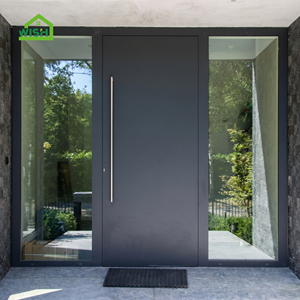
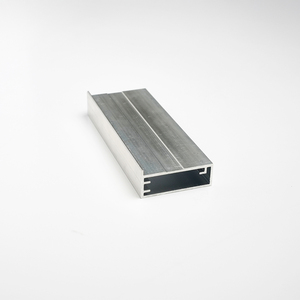
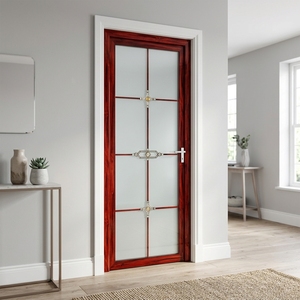
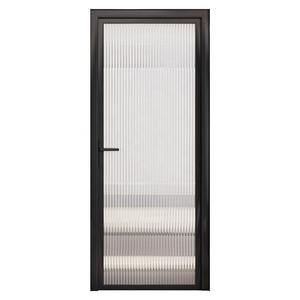
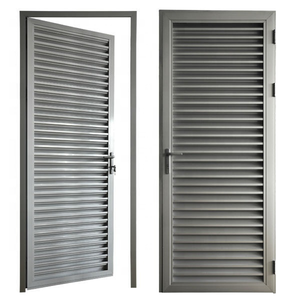
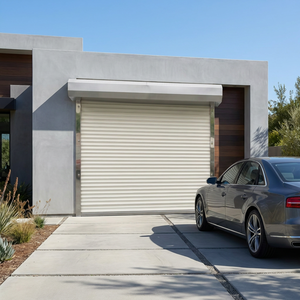
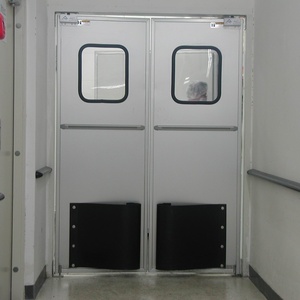
Manufacturing Infrastructure & Global Export Milestones
Empirical proof of quality, factory scale, and stringent testing compliance built over two decades of international architectural supply.
Selection Criteria for Corrosion-Resistant Aluminum Door Manufacturers
Navigating structural alloy selection, surface passivating science, and international building code mandates for coastal real estate.
In modern architectural design, the specify-and-procure process for exterior fenestration systems in severe microclimates—such as coastal marine zones, tropical high-humidity regions, and chemically volatile industrial parks—demands rigorous evaluation of surface finish chemistry and alloy metallurgy. Selecting an elite manufacturer from the global pool of corrosion-resistant aluminum door manufacturers and exporters requires going far beyond aesthetics. B2B procurement directors, commercial contractors, and façade engineers must scrutinize raw material standards, surface passivation techniques, hardware isolation mechanics, and structural testing certifications.
1. Metallurgical Foundations: 6063-T6 vs. 6005A-T6 Architectural Alloys
The foundational integrity of any corrosion-resistant door system rests upon the chemical composition of the extrusions. Leading manufacturers utilize primary (non-recycled) aluminum billets compliant with 6063-T6 or 6005A-T6 temper designations:
- 6063-T6 Alloy: Formulated with a precise ratio of Magnesium (0.45–0.9%) and Silicon (0.2–0.6%), this alloy provides an optimal surface finish profile, making it exceptionally receptive to anodic oxidation and fluoropolymer (PVDF) electrostatic spraying. It exhibits superior natural passivation against atmospheric oxygen and salt-laden moisture.
- 6005A-T6 Alloy: Engineered with higher structural yield strength, this alloy is deployed in heavy-duty commercial pivot doors, hurricane impact doors, and wide-span multi-panel sliding systems. Its elevated manganese and chromium trace content resists stress-corrosion cracking (SCC) under high wind-load deflections.
2. Surface Treatment Technologies: AAMA 2605 vs. Qualanod Class 25
Bare aluminum, while naturally reactive to form a microscopic oxide skin, rapidly deteriorates when subjected to chloride ions (Cl⁻) present in ocean aerosol or atmospheric sulfur dioxide (SO₂). Top-tier exporters integrate two high-performance surface passivation workflows:
| Surface Treatment Standard | Film Thickness | ASTM B117 Salt Spray Hours | Primary Degradation Resistance | Recommended Deployment Environment |
|---|---|---|---|---|
| PVDF Fluoropolymer (AAMA 2605) | 35–50 µm (3-Coat System) | 4,000+ Hours | UV Chalking, Color Fading, Acid Rain | Severe Coastal (within 500m of ocean), High-UV zones |
| Qualanod Class 25 Anodizing | 25 µm Anodic Oxide Layer | 3,000+ Hours | Surface Abrasion, Pitting Corrosion, Scratching | Commercial Entrance Hubs, Marine Harbors, High-Traffic Public Architecture |
| Super Durable Powder Coating (AAMA 2604) | 60–80 µm | 2,000+ Hours | Impact Scratching, Humidity, General Weathering | Inland Residential, Subterranean Storage, Standard Commercial Facades |
A major vulnerability in lower-grade door imports is filiform corrosion—a thread-like corrosion pattern that propagates under paint coatings when substrate pretreatments are inadequate. Top exporters employ zirconium-based conversion coatings or chrome-free passivation baths prior to painting, ensuring chemical bonding between the aluminum substrate and the exterior protective coating.
3. Galvanic Corrosion Prevention & Hardware Isolation
A critical engineering detail often overlooked by standard fabricators is galvanic corrosion. When aluminum comes into direct physical contact with dissimilar metals (such as standard carbon steel screws or untreated brass hinges) in the presence of an electrolyte (saltwater mist), an electrochemical cell is formed, rapidly destroying the aluminum frame. Industry-leading manufacturers eliminate this through:
- Stainless Steel Fasteners: Exclusively using 316-grade stainless steel hardware, hinges, and locksets treated with anti-seize passivating rinses.
- Dielectric Isolation Gaskets: Placing non-conductive EPDM or polyamide isolation shims between metal hardware and aluminum extrusions to break the electrical circuit.
- Polyamide Thermal Breaks (PA66GF25): Utilizing 25% glass-fiber reinforced thermal insulation strips that structurally separate exterior and interior aluminum profiles, blocking condensation formation while offering thermal insulation.
Why Foshan Aluvoy Entry Door Systems Co., Ltd. Leads the Export Market
A trusted manufacturing powerhouse delivering direct-from-factory architectural systems backed by rigorous global certifications.
Global Certification Rigor
Full compliance with AS2047 (SAI Global Australia), NFRC (North America), and Florida Hurricane Product Approvals for impact resistance. Every export batch undergoes verifiable structural load and water penetration testing.
In-House CNC Fabrication
Spanning over 20,000 m² with two specialized production lines, all cutting, punching, CNC machining, corner crimping, and silicone structural glazing are performed strictly in-house for complete quality control.
Bespoke Shop Drawings
Our dedicated engineering team translates architectural plan sets into comprehensive CAD shop drawings and BIM models, verifying structural wind-load requirements, sill drainage details, and opening schedules prior to production.
Heavy-Duty Packaging
Shipped over 10,000 containers worldwide. Windows and doors are wrapped in protective blue film, cushioned with corner guards, and fully encased in IPPC-stamped fumigated plywood crates to ensure damage-free maritime delivery.
10-Year Warranty Assurance
We stand behind our extrusions, thermal breaks, insulated glass sealants, and corrosion-resistant surface coatings with an export-backed 10-year structural and finish warranty for peace of mind.
Overseas Project Support
More than 1,000 international developers, architects, and importers have visited our Foshan facility. We provide remote installation supervision, video technical guidance, and complete hardware matching support.
Global Procurement & Industry Development Trends
Key tech movements transforming commercial fenestration sourcing across North America, Australia, and Europe.
1. Decarbonization & Green Building Certifications (LEED / BREEAM)
As international energy codes tighten, global buyers are mandating lower embodied carbon in architectural metals. Leading exporters are transitioning toward hydro-powered primary smelting and incorporating post-consumer recycled aluminum content. Additionally, multi-chambered thermal break doors featuring dual PA66GF25 isolation strips are now standard, delivering U-factors below 0.24 (W/m²K) to meet net-zero carbon architecture mandates.
2. Ultra-Slim Sightlines with Massive Structural Panes
Current architectural preference favors maximal daylighting and seamless indoor-outdoor living. This trend demands door profiles that combine minimal visible aluminum sightlines (under 30mm interlockers) with extreme structural load capacity. Advanced manufacturers are integrating structural silicone glazing (SSG) technology, bonding double or triple insulated tempered glass directly to high-tensile 6005A-T6 alloy frames to resist hurricane wind loads while maintaining sleek visual minimalism.
3. Smart Access Integration & Anti-Corrosion Mechatronics
The convergence of architectural doors with smart building automation has catalyzed demand for motorized sliding doors, concealed automatic swing operators, and biometric entry pivots. The procurement challenge is ensuring that electronic components, magnetic sensors, and motorized lock boxes inside the door profiles are IP67-rated against moisture ingress and airborne salt crystallization in coastal installations.
4. Stricter Regional Compliance Standards
Importing regions are clamping down on uncertified building envelopes. Australia’s NCC & AS2047 enforce rigorous air infiltration, water resistance (Pa), and ultimate strength testing. Simultaneously, coastal regions in the US (such as Florida's High-Velocity Hurricane Zone - HVHZ) require large missile impact testing (ASTM E1886/E1996 and TAS 201/202/203). Sourcing from top-rated exporters with pre-existing, verifiable test certificates drastically reduces project approval timelines for overseas developers.
Frequently Asked Questions for B2B Importers & Contractors
Expert answers addressing structural performance, marine maintenance, custom manufacturing, and international shipping.
How do I verify if an aluminum door manufacturer's anti-corrosion coating will last near the ocean?
Request third-party laboratory test reports validating compliance with AAMA 2605 (for PVDF coatings) or Qualanod Class 25 (for anodized finishes). The test documentation must confirm at least 3,000 to 4,000 hours of ASTM B117 salt spray exposure without blistering, pitting, or loss of adhesion. Additionally, ensure the factory uses 316 stainless steel hardware and dielectric gaskets between all metal interfaces.
What certifications do your aluminum windows and doors hold for North American and Australian markets?
Our systems hold authentic AS2047 certification issued through SAI Global for the Australian market, complete NFRC energy performance certification for North America, and Florida Product Approval (HVHZ) for hurricane impact resistance. All certificates can be supplied alongside CAD shop drawings during the contract stage.
Can you manufacture doors to custom architectural drawings and oversized dimensions?
Yes. 100% of our production is custom-fabricated to match your project schedule, rough opening sizes, and structural wind-load requirements. Our engineering team converts your architectural drawings into detailed CAD shop drawings for sign-off prior to extrusion cutting and assembly.
What is the standard warranty period for exterior corrosion-resistant aluminum doors?
Foshan Aluvoy Entry Door Systems Co., Ltd. provides a comprehensive 10-year structural warranty covering extrusion frame integrity, surface coating adhesion, thermal break performance, and insulated glass seals against desiccant failure or condensation fogging.
How do you prevent glass damage and surface corrosion during ocean transit?
All finished products undergo multi-layer protective packaging: an initial peelable protective film on aluminum extrusions, EPDM corner guards, moisture-absorbing desiccant packs within shrink-wrap layers, and heavy-duty IPPC-certified plywood crating loaded securely with steel banding inside ocean containers.
What maintenance routine is required for aluminum doors installed in coastal salt-air environments?
For installations within 1 km of ocean shorelines, profiles and hardware should be washed down with fresh water and a mild non-abrasive detergent every 3 months. This removes accumulated salt crystals, sand particles, and airborne pollutants, preserving the surface finish and extending hardware lifespan.
Ready to Source Corrosion-Resistant Doors for Your Project?
Consult with our export engineering team, request CAD shop drawings, or obtain factory-direct pricing for your upcoming residential or commercial developments.