Featured High-Security Entry Door Systems
Architectural grade entrance solutions engineered for residential villas, luxury estates, and commercial facades.
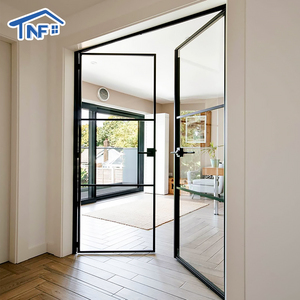
Residential Main Front Entry Aluminum Alloy Double Tempered Glass Security Door Windproof
Send an Inquiry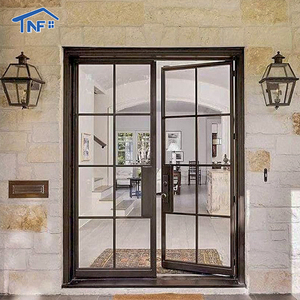
Modern Thermal Insulation Villa Casement Glass Aluminum Door French Style with SDL Grill
Send an Inquiry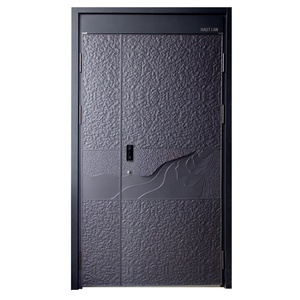
German-Style Aluminum Armored Entrance Door Stainless Steel Waterproof Sheet Metal Door
Send an Inquiry
Security Steel Single Gate Exterior Metal Security Front Entry Door Systems for Houses
Send an Inquiry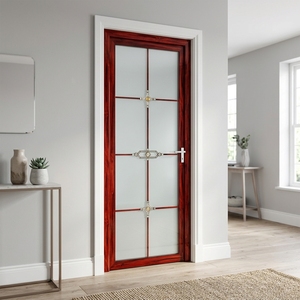
Commercial Classic Style Waterproof Anti-Corrosion Aluminum Villa Interior Security Door
Send an Inquiry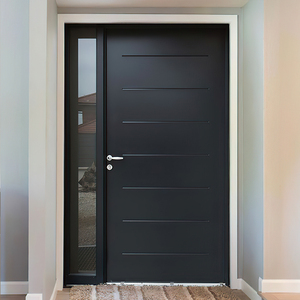
Luxury High-Grade Noise Preventive Thermal Insulation Zinc Galvanized Alloy Front Security Door
Send an Inquiry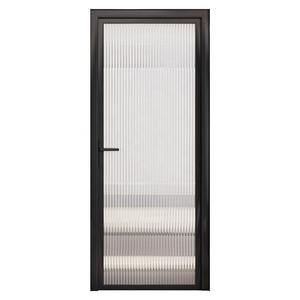
Modern Aluminum Alloy Swing Glass Door Corrosion Resistant Finished Surface Environment
Send an Inquiry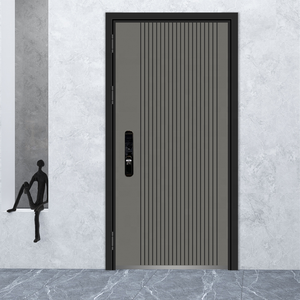
Metal Security Main Entrance Door Cast Aluminum Exterior Luxury Villa Front Entry Door System
Send an Inquiry1. Executive Summary & Semantic Intent in Architectural Door Procurement
In modern architectural design and real estate development, the front entry door has evolved far beyond a basic aesthetic element or physical threshold. Today’s global procurement landscape demands high-performance entry systems that simultaneously fulfill strict anti-intrusion security mandates, extreme wind-load containment (such as Florida High Velocity Hurricane Zone HVHZ certification), sound reduction (STC/OITC acoustics), and passive thermal insulation (low U-factors certified under North American NFRC and Australian AS2047 standards).
This industry whitepaper serves as a technical benchmark for project specifiers, commercial builders, luxury villa developers, and facade contractors searching for top 10 security front door factories & manufacturing clusters. Navigating international supply chains requires a thorough understanding of metallurgical compositions—ranging from 6063-T6 extruded aluminum profiles and monolithic cast aluminum panels to German-armored sheet steel and galvanized zinc alloys—alongside advanced hardware engineering like 7-point automatic locking systems, bullet-resistant glass layering, and thermal break breaks (PA66GF25 polyamide strips).
Industry Insight: The global market for high-security exterior entrance doors is projected to grow significantly, driven by stringent building envelope energy codes (NFRC/ASHRAE) and heightened demand for forced-entry protection (EN 1627 RC2–RC5 standards).
2. The Evaluation Framework for Tier-1 Security Door Manufacturing Facilities
Evaluating global manufacturing capacity requires looking past simple superficial design to inspect real structural mechanics, production line automation, and laboratory validation. When auditing security front door factories across major manufacturing hubs—including Foshan, China; Southern Germany; and Northern Italy—procurement directors rely on six critical technical pillars:
1. Forced-Entry Resistance
Compliance with EN 1627-1630 (Resistance Classes RC2 to RC5) and ASTM F476, utilizing manganese anti-drill plates and anti-crowbar interlocking sashes.
2. Thermal Break Mechanics
Integration of multi-cavity polyamide (PA66GF25) thermal breaks that eliminate cold bridges and prevent interior condensation.
3. Surface Finishing Engineering
Qualicoat Class 2/3 powder coating, fluorocarbon PVDF baking, and marine-grade anodizing capable of enduring 3,000+ hours of salt spray exposure.
4. Global Code Compliance
Third-party audit verifications including SAI Global AS2047 (Australia), NFRC / AAMA (North America), and Florida Hurricane Approvals.
5. Precision CNC Tooling
Automated 5-axis CNC machining centers achieving sub-millimeter tolerances for hinge mortising, lock pockets, and drain channels.
6. Hardware & Smart IoT
Seamless embedding of motorized multi-point lock bodies, biometric 3D facial recognition scanners, and encrypted RFID access hubs.
3. Next-Generation Product Development & Sourcing Trends (2026–2030)
As architectural trends shift toward minimalism, clear visual openings, and net-zero carbon footprints, security front door factories are undergoing rapid technical shifts. Procurement officers must align their factory selections with four dominant engineering trends shaping the next decade:
A. Cast Aluminum Monolithic Armor Structures
Traditional hollow steel front doors suffer from weld-seam oxidation and internal rusting in humid or coastal climates. Leading factories are replacing welded steel assemblies with solid cast aluminum panels (varying from 8mm to 20mm single-cast thickness) supported by internal structural steel ribs. Cast aluminum offers zero-rust durability, extreme impact absorption, and deep three-dimensional sculpted surfaces that meet luxury villa aesthetics without structural compromises.
B. Thermally Broken Heavy-Duty Pivot Entrance Systems
Oversized entrance doors exceeding 1.8 meters in width and 3.5 meters in height are becoming standard in high-end architectural plans. Supporting sashes weighing up to 600 kilograms requires specialized heavy-duty concealed floor pivots with integrated hydraulic dampeners. Top factories now manufacture thermally broken aluminum pivot frames equipped with perimeter drop-down air seals to solve the air infiltration challenges traditionally associated with pivot doors.
C. Smart Access Integration without Security Sacrifice
The modern luxury buyer expects keyless entry via biometrics, smartphone apps, or home automation integration (KNX, Control4). However, integrating electrical wiring into a reinforced steel or aluminum sash introduces potential points of failure. Tier-1 manufacturers solve this through armored conduit wiring, optical sensor glass integration, and fail-safe mechanical override cylinders rated to DIN 18252 BS standards.
4. Material Performance & Security Engineering Matrix
Selecting the ideal security front door configuration depends on balancing structural material properties against regional weather risks and threat profiles. The matrix below illustrates the performance benchmarks across primary material classifications:
| Material Classification | Security Rating (EN 1627) | Thermal Insulation (U-Factor) | Corrosion Resistance | Max Sash Dimensions | Primary Target Application |
|---|---|---|---|---|---|
| Cast Aluminum Monolithic | RC4 – RC5 | 0.9 – 1.3 W/m²K | Outstanding (C5-M Marine) | 2000mm x 4000mm | Luxury Villas & Coastal Mansions |
| German Armored Steel / Aluminum | RC3 – RC5 | 0.8 – 1.2 W/m²K | High (Electro-Galvanized) | 1500mm x 3000mm | High-Security Urban Residences |
| Thermal Break 6063-T6 Aluminum | RC2 – RC3 | 1.1 – 1.6 W/m²K | Excellent (Anodized/PVDF) | 1800mm x 3500mm | Modern Minimalist Estates |
| Zinc Galvanized Steel Sheet | RC2 – RC3 | 1.4 – 2.0 W/m²K | Moderate (Requires Coating) | 1200mm x 2400mm | Commercial Multi-Family / Tract Projects |
5. Enterprise Advantages & Manufacturing Rigor of Aluvoy Entry Door
Foshan Aluvoy Entry Door Systems Co., Ltd. stands as an industry benchmark among global security entry door manufacturers. Operating from China’s premier aluminum manufacturing hub in Foshan, Guangdong, Aluvoy combines over two decades of metallurgical research with European precision engineering to supply major real estate developers and distributors across North America, Australia, and Europe.
Core Technical Strengths & In-House Quality Assurance
Unlike trading entities or decentralized assemblers, Aluvoy enforces complete vertical integration across every manufacturing milestone. All fabrication steps—including extrusion profile cutting, 5-axis CNC hinge and lock pocket machining, hydraulic corner crimping, structural silicone sealant application, glass lamination, and final pre-shipment fitting—are executed in-house by over 150 certified technicians.
Aluvoy’s engineering department generates precise CAD/BIM shop drawings for every bespoke project, guaranteeing that frame rough openings, sub-frame anchoring clips, and threshold water drain profiles align perfectly with architectural blueprints before production starts. Crucially, Aluvoy was among the earliest manufacturers in Foshan to earn authentic AS2047 certification issued through SAI Global for Australian code compliance, alongside NFRC thermal rating certification and official Florida Product Approval for impact-resistant coastal entryways.
6. Frequently Asked Questions (FAQ) for Global B2B Door Buyers
What certifications should I verify when importing security front doors into North America or Australia?
For the Australian market, verify authentic AS2047 certification issued by accredited testing bodies like SAI Global, confirming compliance with structural deflection, air infiltration, and water penetration (AS4420). For North America, look for NFRC thermal performance ratings (U-Factor, SHGC) and AAMA structural testing. If installing in coastal hurricane zones (e.g., Florida), ensure the exact door series holds a valid Florida Product Approval number verifying large and small missile impact resistance (TAS 201/202/203 or ASTM E1886/E1996).
How does a thermal break aluminum security door maintain high forced-entry resistance?
A thermal break security door uses high-strength structural polyamide glass-fiber reinforced strips (PA66GF25) to isolate the exterior and interior extruded aluminum profile chambers. While preventing thermal bridge transfer, structural rigidity is maintained by reinforcing the locking zones with internal manganese steel armoring plates, heavy corner cleats, and multi-point lock hooks that clamp the inner and outer extrusions into a rigid monolithic unit during forced entry attempts.
Can security entry doors be engineered with double or triple glass panels without sacrificing anti-intrusion protection?
Yes. High-security glass entrance doors utilize laminated safety glazing or heavy bullet-resistant glass configurations. By placing a thick PVB or SGP (SentryGlas®) interlayer between tempered glass panes, the glass stays intact even after repetitive heavy hammer, axe, or crowbar strikes. Combined with internal aluminum or steel glazing beads that prevent exterior pane removal, glass security doors easily achieve EN 1627 RC3 and RC4 resistance ratings.
What is the standard production lead time and quality control workflow for custom project orders?
Upon receipt of project architectural drawings, Aluvoy engineers issue comprehensive 2D/3D CAD shop drawings within 48 to 72 hours. Once shop drawings and material finishes are approved, typical factory fabrication takes 25 to 35 days. Quality control includes raw material spectral analysis, dimensional tolerance checks post-CNC machining, water tightness chamber testing, pre-assembly lock operation tests, and protective export wooden crate packaging.
What is the maintenance lifespan of cast aluminum front doors versus powder-coated steel entry doors in coastal regions?
Cast aluminum doors offer an virtually indefinite material lifespan in coastal or marine environments because aluminum forms a natural oxide layer that prevents rust, even if the top surface layer is scratched. When treated with Qualicoat Class 2 or fluorocarbon PVDF powder coatings, cast aluminum will not corrode for decades. In contrast, traditional steel doors exposed to salt spray can experience edge creep rust if scratch maintenance is neglected.
Do you offer remote technical support and installation guidance for overseas contractors?
Yes. Every Aluvoy export order comes with detailed installation manuals, exploded-view assembly diagrams, and fastener anchoring schedules matched to wall substrates (concrete, brick, timber frame, steel structural tube). Our technical support team provides video walkthroughs and real-time engineer-to-installer support during site installation.