Engineered Architectural Door Range
Explore our certified thermal break entrance, folding, sliding, and security doors custom-fabricated for high-end residential and commercial projects.

Customized Large Size Soundproof Impact Resistant High Performance Hurricane Proof Modern Thermal Break Aluminum Folding Door
Get a Quote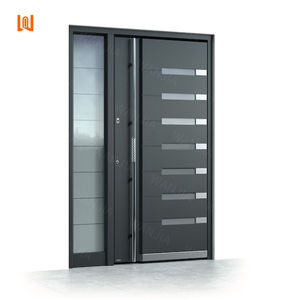
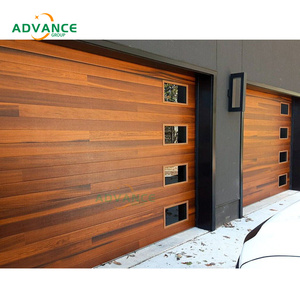
American 16x8 Black Security Garage Door Double Wooden Home Residential Garage Doors for Home
Get a Quote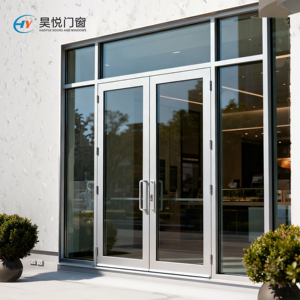
High Quality Factory Price Customized Double Aluminum Alloy Glass Door French Doors Aluminum Casement Door French Entrance Door
Get a Quote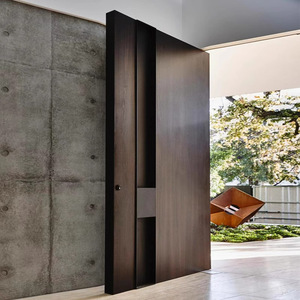
High Security Exterior Main Entrance Doors Customized Made Model Wooden & Aluminum Pivot Front Entry Door
Get a Quote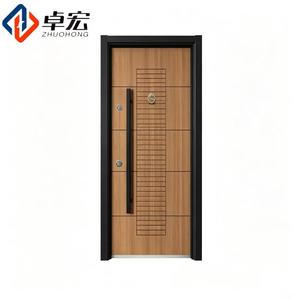
High-end Villa Class a Steel Security Door Minimalist Vertical Grid Decorative Entrance Door Well sealed Outdoor
Get a Quote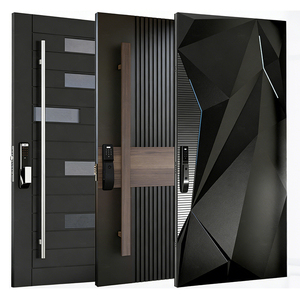
ZEKIN Modern Style Main Entrance Door Aluminum Entry Front Doors Against Theft Bulletproof Security Door
Get a Quote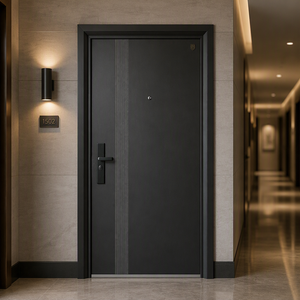
Modern Style Steel Entrance Door Finished Anti-theft Security Door Commercial Apartment Entry Side Opening Exterior Fire Garden
Get a QuoteEngineering Excellence: The Science of Thermal Insulated Aluminum Doors
In modern architectural design, the building envelope dictates energy performance, structural integrity, and occupant comfort. Standard aluminum profile systems, while praised for their strength-to-weight ratio and durable aesthetic, possess high natural thermal conductivity (approximately 160 W/m·K). Without structural thermal mitigation, untreated aluminum doors become significant thermal bridges—resulting in interior thermal loss, elevated HVAC energy consumption, and unsightly indoor surface condensation.
As a leading thermal insulated aluminum door manufacturer and supplier, Foshan Aluvoy Entry Door Systems Co., Ltd. solves this physical limitation through advanced structural thermal break technology. By inserting high-grade reinforced Polyamide (PA66-GF25) thermal struts between outer and inner aluminum extrusions, the thermal bridge is completely severed. This structural separation dramatically lowers the profile's U-Factor down to ultra-efficient levels (U ≤ 1.1 W/m²·K), matching or exceeding strict international building energy conservation codes, including North American NFRC standards and Australian AS2047 benchmark regulations.
Key Engineering Insight: The Polyamide PA66-GF25 structural strip utilized in Aluvoy doors contains 25% glass fiber reinforcement. This precise formulation ensures that the thermal barrier matches the linear coefficient of thermal expansion of aluminum profiles (2.3 × 10⁻⁵ /K), preventing structural delamination or seal degradation across extreme ambient temperature fluctuations (-40°C to +80°C).
Polyamide Strut Technology
Precision-extruded PA66-GF25 thermal breaks create an impenetrable thermal boundary, eliminating interior frame frosting and drastically curbing HVAC thermal exchange.
Double & Triple Low-E Glazing
Integrated insulated glass units (IGUs) featuring Argon gas filling, warm-edge composite spacers, and dual silver Low-E coatings deliver superior SHGC control.
Hurricane & Impact Rating
Engineered to meet Florida HVHZ standards with SGP laminated impact glass, resisting structural wind loads up to DP100 and airborne debris impacts.
Future Sourcing Trends: The Evolution of Thermal Door Systems
The global demand for high-performance architectural openings is accelerating rapidly. Architectural firms, commercial developers, and high-end residential builders are transitioning from basic structural compliance toward intelligent, sustainable, and hyper-resilient door systems. Procurement officers and buyers must understand four foundational shifts shaping the market over the next decade:
1. Minimalist Ultra-Slim Sightlines with Extreme Load Capacity
Modern architectural philosophy emphasizes visual continuity, maximizing natural daylight while blurring boundaries between indoor and outdoor living spaces. Traditional heavy aluminum frames are being replaced by ultra-slim sightline systems. However, reducing frame width requires advanced alloy metallurgy (such as T6 tempered 6063-T5 aluminum profiles) combined with concealed heavy-duty stainless steel rollers and pivot gear capable of carrying glass panel weights exceeding 450kg per sash without structural deflection.
2. Green Building Decarbonization & Low-Carbon Recycled Aluminum
With international carbon border tariffs and strict green building certifications (LEED v4.1, BREEAM, and WELL Standard), thermal door manufacturers are evaluated on their Environmental Product Declarations (EPDs). Procuring doors extruded from low-carbon primary aluminum powered by renewable hydro-energy—or high-content recycled aluminum billets—reduces embodied carbon by up to 70%, positioning projects for tax credits and sustainability compliance.
3. Smart System Integration & Automated Multi-Point Security
The convergence of architectural fenestration and IoT (Internet of Things) automation is redefine entryways. Next-generation thermal entry doors feature motor-driven multi-point locking systems, biometric fingerprint access, smart home gateway synchronization, and electrochromic dynamic smart glass that alters light transmittance automatically based on solar intensity.
4. Resilient Fenestration Against Severe Coastal Climate Events
Extreme climate phenomena have triggered stricter building codes globally. Coastal regions require door assemblies tested against salt spray corrosion (passing AAMA 2605 4,000-hour fluoropolymer powder coating standards) alongside catastrophic weather resilience. High-Velocity Hurricane Zone (HVHZ) certifications, such as Florida Product Approvals and TAS 201/202/203 testing, are mandatory requirements for global importers serving high-risk geographic markets.
Why Partner with Foshan Aluvoy Entry Door Systems Co., Ltd.?
Selecting the right OEM/ODM manufacturer is critical to mitigating risk in international construction projects. Based in Foshan, Guangdong—the epicenter of global aluminum extrusions and structural manufacturing—Foshan Aluvoy Entry Door Systems Co., Ltd. brings two decades of verified manufacturing authority, strict quality engineering, and seamless export logistics.
Full In-House Fabrication
From precision CNC profile machining, punching, and corner crimping to automated structural silicone glazing, every step occurs within our 20,000 m² workshop to maintain zero-defect standards.
Verified Global Certifications
Authentic certification through SAI Global for Australian AS2047, North American NFRC energy performance metrics, and Florida Hurricane HVHZ compliance documentation ready for municipal audits.
Engineering & BIM Support
Our experienced structural engineering team translates complex architectural elevation drawings into precise shop drawings (CAD/BIM) for approval before production begins, eliminating site fitting errors.
Over 1,000 international builders, project developers, window distributors, and commercial contractors from more than 30 countries have visited our facility. Our export-ready wood-crate packaging ensures that large-span folding, sliding, pivot, and security doors arrive on-site undamaged and installation-ready.
Frequently Asked Questions (Procurement FAQ)
Essential technical and logistical answers for project managers, architectural buyers, and international importers.
How does a thermal break aluminum door compare to traditional solid aluminum or uPVC doors?
Solid aluminum doors excel in structural strength but lack thermal efficiency, allowing rapid thermal exchange. uPVC doors offer insulation but suffer from low structural stiffness, thermal expansion warping under direct sun, and aesthetic limitations for large spans. Thermal break aluminum doors combine structural T6 alloy strength with high-density PA66-GF25 insulation, offering maximum glass panel sizing, robust security, slim sightlines, and top-tier energy efficiency without structural warping.
What exact certifications are required for exporting thermal doors to the USA and Australia?
For North America (USA & Canada), products must comply with NFRC (National Fenestration Rating Council) standards for U-Factor, SHGC, and VT, alongside AAMA structural load compliance. Coastal hurricane regions require Florida Product Approval (TAS 201/202/203 testing). For Australia, mandatory certification is AS2047 (issued via SAI Global or accredited testing laboratories), covering deflection (AS4420.2), air infiltration (AS4420.4), water penetration resistance (AS4420.5), and ultimate strength (AS4420.6).
Can Aluvoy customize structural profiles according to our project drawings?
Yes. Every order is engineered directly from your architectural plans, structural schedules, or CAD drawings. Our technical department generates detailed shop drawings detailing frame depths, thermal breaks, threshold drainage details, glass specs, and hardware anchoring points for formal sign-off prior to raw material extrusion and CNC cutting.
What is the typical lead time and Minimum Order Quantity (MOQ) for commercial orders?
Our standard production lead time is 25 to 35 days following final shop drawing approval and deposit receipt. We support both full container load (FCL) project shipments and custom sample orders for trial projects. We maintain flexible MOQ policies tailored to project scope and custom extrusion requirements.
How do Aluvoy thermal doors prevent condensation in sub-zero climates?
Condensation occurs when moist indoor air contacts cold interior door frames. By severing the metal bridge with a 24mm to 34mm wide PA66-GF25 thermal strut and utilizing warm-edge composite glass spacers, the temperature of the interior aluminum profile remains above the dew point of room air, eliminating frame condensation even during extreme winter conditions.
What surface finishes are recommended for high-salinity coastal environments?
For coastal locations within 5 miles of salt water, we recommend AAMA 2605 compliant PVDF (Fluoropolymer) coatings or seaside-class anodized finishes (minimum 25 microns). These surface treatments resist UV degradation, chalking, cracking, and saline pitting corrosion for up to 20+ years.
How are oversized glass panels protected during international ocean transit?
We utilize custom IPPC-certified fumigated fully enclosed plywood crates. Door frames and glass units are wrapped in protective polyethylene foam, corner-protected with heavy plastic caps, strapped with high-tensile composite banding, and vacuum-sealed with moisture absorbers inside the crate. Over 10,000 container shipments verify zero freight movement damage.
What hardware brands are integrated into Aluvoy thermal door systems?
We partner with top-tier international hardware manufacturers, including German Siegenia, Hoppe, Sobinco, GU, and Roto, alongside premium customized heavy-duty Aluvoy stainless steel multi-point locking systems. All hardware undergoes 50,000-cycle operation endurance testing.
Can thermal break aluminum doors provide bullet-proof and anti-theft protection simultaneously?
Yes. By integrating reinforced high-tensile steel core inserts within the thermal aluminum profiles, combined with multi-layer polycarbonate ballistic glass (UL 752 or EN 1063 rated) and Class-A multi-point locking deadbolts, our security entrance series achieves bullet-resistant and forced-entry protection without compromising thermal insulation.
What warranty and after-sales support does Aluvoy provide to builders?
Foshan Aluvoy provides a 10-year structural warranty on all aluminum extrusions, thermal breaks, and glazing units. We supply step-by-step installation manuals, video tutorials, and 24/7 remote engineering support to assist installation teams on-site.
Ready to Upgrade Your Next Project with High-Performance Thermal Doors?
Send your architectural elevation drawings, door schedule, or project specifications to our export engineering team for an instant quote, technical evaluation, and complimentary shop drawings.
Get a Quote