Certified High-Performance Waterproof Aluminum Door Systems
Manufactured to AS2047, NFRC, and Florida HVHZ impact standards for extreme weather resilience.
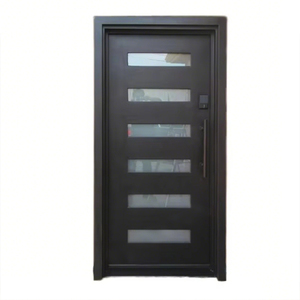
Houses Exterior Modern Casement Door Aluminum Entry Security Doors
- Frame Profile: 6063-T5 Alloy
- Water Seal: 600 Pa (ASTM E331)
- Security Lock: 5-Point German Hardware
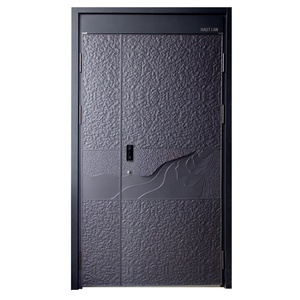
German-Style Armored Protection Aluminum Entrance Sheet Metal Door
- Armored Core: 3.0mm Sheet Metal
- Thermal Bridge: PA66GF25 Barrier
- Acoustic Rating: STC 42 dB

Large Size Soundproof Impact Resistant Hurricane Proof Thermal Break Bifold Door
- Impact Rating: Florida HVHZ Approved
- Glazing: SGP Laminated Double Low-E
- Design Pressure: DP70 Rating
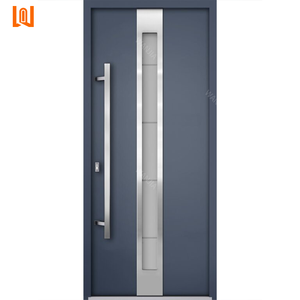
Modern Entrance Porte Aluminum Glass Front Security Thermal Insulation Door
- U-Factor: 0.28 BTU/h·ft²·°F (NFRC)
- Water Drainage: Sub-Fin Concealed Channel
- Application: Luxury Residential / Commercial
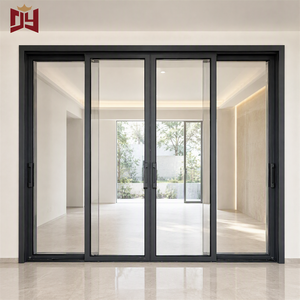
Waterproof Aluminium Heavy Duty Sliding Doors Residential Custom OEM/ODM
- Certification: AS2047 & CE Certified
- Roller Capacity: 300 kg Stainless Steel Track
- Sealing Tech: Triple EPDM Fin Gaskets
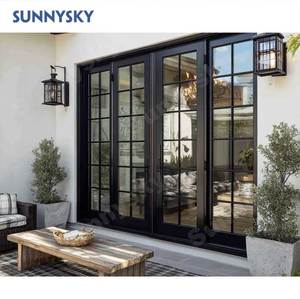
Commercial Exterior Aluminum Double Glazed French Swing Main Entrance Door
- Hinges: Heavy-Duty 3D Adjustable
- Threshold: ADA Barrier-Free Waterproof Sill
- Surface Finish: PVDF Fluorocarbon 30-Yr Warranty
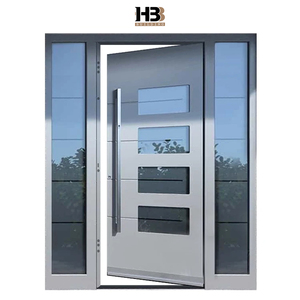
Prehung Modern Grey Aluminum Front Door Waterproof Glass Inserted for Villas
- Structure: Prehung Dual-Frame System
- Glass Build: 6mm+12Ar+6mm Tempered Low-E
- Air Infiltration: < 0.1 L/s·m² (AS4420.2)
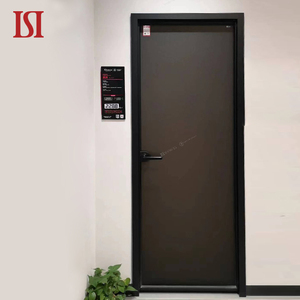
Minimalist Black Aluminum Frame Swing Door High Quality Custom Alloy Material
- Sightline: Slim 38mm Architectural Profile
- Corner Joint: Machined Injection Crimping
- Moisture Defense: Hydrophobic Gasket Polymer
The Physics & Structural Mechanics of Waterproof Architectural Aluminum Doors
Water intrusion through exterior building envelopes remains the single highest source of structural warranty claims in modern real estate development. When selecting aluminum doors for oceanfront villas, high-rise residential towers, or commercial complexes, architectural buyers must look beyond surface aesthetics and evaluate the underlying fluid dynamics and pressure differentials engineered into the frame assembly.
Legacy aluminum entrance systems frequently suffer from water penetration due to three primary failure vectors: capillary draw through unsealed mitred corners, frame deflection under cyclic wind load, and thermal bridge condensation. Leading manufacturing hubs like Foshan Aluvoy Entry Door Systems Co., Ltd. mitigate these failure modes through advanced multi-stage drainage engineering and pressure-equalized cavity designs.
Continuous EPDM Gasket Loops
Utilizing co-extruded Cellular EPDM (Ethylene Propylene Diene Monomer) vulcanized rubber gaskets with continuous vulcanized corner boots, eliminating gapping at profile miters during thermal contraction.
Pressure-Equalized Weep Cavities
Internal drainage tracks calibrated to equalize ambient air pressure during storm conditions, preventing wind-driven rain from surging across threshold thresholds at pressures up to 600 Pascals (Pa).
Corner Injection Cleating
Heavy-duty extruded aluminum corner cleats locked with dual-component anaerobic structural adhesive, preventing frame racking under wind forces up to Design Pressure (DP) 70.
Extrusion Metallurgy, Thermal Barriers, and Surface Resilience
Architectural aluminum door durability begins at the billet foundry. Low-grade recycled aluminum extrusions contain micro-impurities that accelerate subsurface intergranular corrosion when exposed to coastal salt spray. Premium export manufacturers utilize primary 6063-T5 and 6063-T6 architectural aluminum alloy, heat-treated to achieve optimum tensile strength (≥ 185 MPa) and yield strength (≥ 170 MPa).
Polyamide Thermal Break Technology (PA66GF25)
Uninsulated aluminum frames act as rapid thermal conductors, creating heat loss in winter, heat gain in summer, and interior condensation. To break this energy transfer pathway, Aluvoy door profiles integrate 24mm to 34mm wide Polyamide PA66 reinforced with 25% glass fiber (PA66GF25). This material matches the coefficient of thermal expansion of aluminum alloy, ensuring structural stability across extreme ambient temperatures ranging from -30°C to +80°C.
| Performance Parameter | Standard Commercial Door | Aluvoy Engineered Thermal Break Door | Testing & Compliance Standard |
|---|---|---|---|
| Aluminum Alloy Grade | 6063-T5 Recycled Blend | 6063-T5/T6 Primary Virgin Billet | ASTM B221 / GB 5237.1 |
| Water Penetration Resistance | 150 Pa – 250 Pa | 600 Pa – 750 Pa (High Resistance) | ASTM E331 / AS4420.4 |
| Thermal Transmittance (U-Factor) | > 0.65 BTU/h·ft²·°F | 0.22 – 0.28 BTU/h·ft²·°F | NFRC 100 / ISO 10077 |
| Structural Wind Load (DP) | DP 30 (Moderate Wind) | DP 65 – DP 90 (Hurricane Zone) | ASTM E330 / TAS 202 |
| Coastal Corrosion Endurance | Standard Powder Coating (500 hrs) | PVDF Fluorocarbon (> 3,000 hrs Salt Spray) | AAMA 2605 / ASTM B117 |
| Acoustic Insulation (STC) | STC 28 dB (Single Glass) | STC 42 dB – 45 dB (Double Laminated) | ASTM E90 / ISO 140-3 |
International Certification Compliance: AS2047, NFRC, and Florida HVHZ
Navigating global building codes is a central challenge for B2B importers and developers. Sourcing uncertified doors can lead to project delays, failed occupancy inspections, or severe liability issues during catastrophic weather events.
AS2047 & AS1288 (Australia)
Audited through SAI Global, verifying air infiltration (AS4420.2), water penetration resistance (AS4420.4), structural deflection under wind pressure (AS4420.3), and safety glazing rules for the Australian subcontinent.
NFRC & AAMA (North America)
NFRC certified thermal rating metrics validating total window U-Factor, Solar Heat Gain Coefficient (SHGC), and Visible Transmittance (VT) for Energy Star compliance across North American climate zones.
Florida HVHZ Impact Approval
Tested under TAS 201 (Large Missile Impact), TAS 202 (Structural & Water), and TAS 203 (Cyclic Wind Pressure Loading), making systems legally permissible for High Velocity Hurricane Zones.
Future B2B Procurement Trends in Commercial & Residential Door Systems
As international construction standards shift toward decarbonization, climate resilience, and architectural minimalism, procurement directors must align their supply chains with key market trends reshaping the door and window industry over the 2026–2030 horizon:
1. Hyper-Minimalist Frames with Concealed Drainage Sub-Frames
Modern luxury architecture demands maximum daylight and ultra-slim sightlines. Emerging procurement trends favor ultra-slim profiles (under 40mm visible frame) that feature completely submerged sill thresholds. These systems utilize sub-surface drainage channels installed below floor level, preserving flat indoor-outdoor transitions while achieving peak water-tightness ratings.
2. Integrated Smart Access & IP67 Waterproof Biometric Locks
Residential developers are moving away from traditional physical keys toward factory-integrated smart access systems. Future door procurement heavily emphasizes pre-routed structural frames fitted with IP67-rated waterproof electronic mortise locks, biometric fingerprint sensors, facial recognition, and home automation API integration.
3. Low-Carbon Recycled Architectural Aluminum (EPD Certification)
With stringent green building frameworks like LEED v4.1 and BREEAM gaining global adoption, tier-one developers require Environmental Product Declarations (EPDs). Procurement trends prioritize manufacturers utilizing hydro-powered low-carbon aluminum extrusions with high recycled content to minimize embodied carbon in the building envelope.
4. Prefabricated Unitized Pre-Glazed Assemblies for Rapid Installation
On-site labor shortages in North America, Europe, and Australia are driving demand for factory pre-hung, pre-glazed door units. Sourcing pre-assembled units with factory-sealed glass and pre-drilled installation fins reduces jobsite installation labor costs by up to 40% and minimizes installation error hazards.
Next-Generation Product Development & Manufacturing Technologies
The manufacturing landscape for architectural openings is undergoing rapid technological evolution. The integration of advanced materials and automated robotics is setting new performance benchmarks:
- Vacuum Insulated Glass (VIG) Integration: Replacing thick triple-pane glass with ultra-thin 8mm to 10mm Vacuum Insulated Glass units achieving thermal performance equivalent to solid brick walls (U-factors as low as 0.60 W/m²K).
- Automated 5-Axis CNC Precision Mitering: Robotic CNC milling replaces manual cutting, maintaining tolerances within ±0.1mm across 6-meter profile lengths, guaranteeing perfect corner seal fitment.
- Self-Healing Elastomeric EPDM Compounds: Polymer science innovations yield gasket compounds that maintain compression elasticity for over 25 years without hardening or cracking under solar UV radiation.
- Smart Dynamic Electrochromic Glazing: Electronically tinting smart glass integrated into exterior aluminum entrance doors, adjusting SHGC dynamically based on direct solar intensity.
Foshan Aluvoy Entry Door Systems Co., Ltd. – Factory Excellence
Headquartered in Foshan, Guangdong—the world's premier architectural aluminum manufacturing hub—Foshan Aluvoy Entry Door Systems Co., Ltd. has led the industry since 2005 as a integrated manufacturer and global exporter of high-end aluminum window and door systems.
20,000+ m² Smart Facility
Operating two dedicated automated production lines equipped with German CNC machining centers, automatic glass gluing robots, and precision dual-corner crimping stations.
100% In-House Production
Every phase—profile cutting, CNC machining, hardware punching, seal installation, glass insertion, structural silicone curing, and final QC water testing—is managed under strict internal ISO9001 protocols.
Dedicated Engineering Support
In-house structural engineers convert architectural blue-prints into comprehensive CAD shop drawings for sign-off prior to production, guaranteeing site opening fitment.
Frequently Asked Questions from B2B Importers & Contractors
What technical mechanisms ensure Aluvoy doors maintain 100% water tightness in heavy storms?
Our exterior aluminum doors utilize a multi-layered weatherproofing design consisting of three core barriers: (1) Continuous vulcanized EPDM compression gaskets around the sash perimeter; (2) Pressure-equalized internal drainage channels inside the frame that allow water to exit via gravity without dynamic air pressure blowback; and (3) Heavy-duty corner joint injection gluing that prevents corner seam separation under high wind pressure.
What certifications do your aluminum doors hold for North American and Australian markets?
For Australia, our doors are fully AS2047 and AS1288 certified through SAI Global, covering structural wind loading, water resistance, and glass safety rules. For North America, our door lines carry NFRC thermal performance ratings and Florida HVHZ (High Velocity Hurricane Zone) Product Approvals under TAS 201/202/203 testing standards.
Why is PA66GF25 polyamide specified for thermal break profiles over cheaper plastic alternatives?
PA66GF25 consists of Polyamide 66 reinforced with 25% glass fiber. It exhibits high mechanical strength (≥ 80 MPa shear strength) and has a coefficient of thermal expansion almost identical to aluminum alloy. Cheaper PVC or low-grade plastic barriers shrink and expand at different rates than aluminum, leading to frame warping, seal rupture, and structural failure over time.
Can Aluvoy manufacture exterior aluminum doors to custom opening sizes and shop drawings?
Yes. 100% of our orders are custom-fabricated to fit specific architectural opening schedules. Our engineering team converts your architectural plans into detailed shop drawings specifying frame sections, structural anchor points, glass build-up, and hardware layouts for your formal engineering approval before mass production starts.
What surface coating is recommended for coastal projects subject to ocean salt spray?
For coastal applications within 3 kilometers of ocean water, we specify PVDF (Polyvinylidene Fluoride) fluorocarbon coating or 25-micron anodic oxidation finishes compliant with AAMA 2605. PVDF coatings resist salt spray corrosion, chalking, and color degradation for over 30 years in high-salinity marine environments.
What structural warranty is provided on Aluvoy export door systems?
Aluvoy provides a comprehensive 10-Year Factory Warranty covering structural aluminum profile integrity, thermal break adhesion, anodized/PVDF surface finish adhesion, and insulated glass unit seal integrity against fogging or desiccant failure.
How do you protect oversized glass doors against glass breakage during container freight transit?
We pack doors in customized steel-reinforced A-frame crates or fully enclosed IPPC-certified fumigated wooden crates. Glass panels are separated by shock-absorbing cork pads and wrapped in heavy-duty shrink film. Crates are mechanically anchored inside ocean containers using steel strapping and timber bracing to eliminate container shift during sea transit.
What is the standard lead time for OEM/ODM B2B manufacturing orders?
Standard manufacturing lead time is 25 to 35 days following final CAD shop drawing approval and deposit receipt. Expedited schedules are available for commercial construction projects with tight handover timelines.