Product Showcase
High-Performance Aluminum Door & Window Systems
Explore our premium architectural doors engineered for high wind loads, watertight sealing, thermal efficiency, and contemporary aesthetics across Japanese commercial and residential developments.
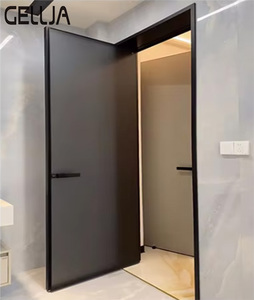
Metal Door Frame Modern Contemporary Aluminium Alloy Showerroom Casement Glass Door
Get Catalog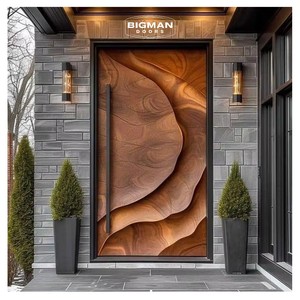
American Luxury Villa Solid Wood Black Walnut Front Entry Carved Exterior Door
Get Catalog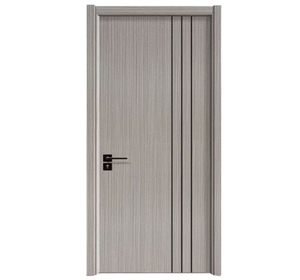
Fire Rated Residential Modern Security Main Entrance Wooden Security Door
Get Catalog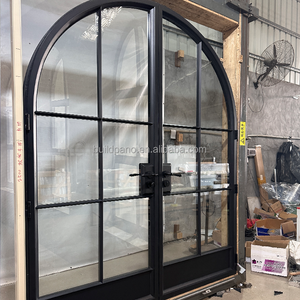
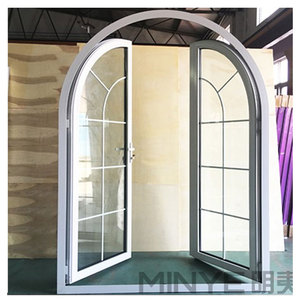
Custom Made Modern French Style Arched Glass Door with Waterproof Finish
Get Catalog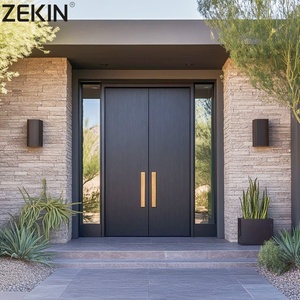
ZEKIN Aluminum Double House Front Entry Luxury Glass Anti-Theft Door
Get Catalog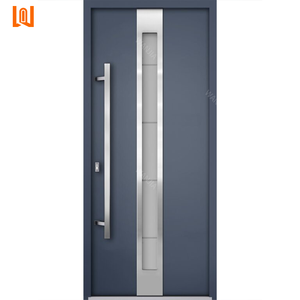
Modern Entrance Door Metal Aluminum Glass Waterproof Thermal Insulation Entry Door
Get Catalog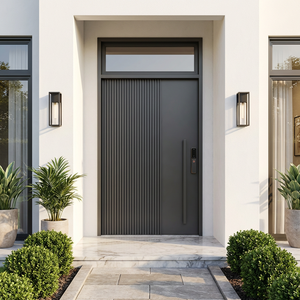
Modern Large Wrought Iron Pivot Door Entry Custom Design Exterior Front Security Door
Get Catalog
Technical Deep-Dive
Evolution of Architectural Openings in Japanese Modern Construction
Understanding how stringent Japanese industrial standards (JIS), decarbonization mandates, and unique climatic challenges dictate the engineering requirements for imported aluminum sliding systems.
ZEH & Energy Efficiency Mandates
Japan’s Ministry of Land, Infrastructure, Transport and Tourism (MLIT) has set rigorous Net Zero Energy House (ZEH) roadmaps. Windows and patio doors must meet strict thermal transmittance targets (U-Factor ≤ 1.30 W/m²K in cold regions such as Hokkaido and ≤ 1.90 W/m²K in Tokyo/Osaka). Aluminum lift sliding doors imported into Japan require polyamide thermal breaks (PA66GF25) combined with Argon-filled Low-E triple or double glazing units.
JIS A 4702 & Structural Performance
Structural reliability in Japan demands strict adherence to JIS A 4702 standards. External doors must demonstrate high rating bands across wind resistance (S-7 grade / 2400 Pa+), watertightness (W-5 grade / 500 Pa+ continuous dynamic pressure), and air tightness (A-4 grade). Lift and slide hardware mechanisms seal compressing multi-lip EPDM gaskets under heavy lever pressure, eliminating water ingress during severe Pacific monsoon rainstorms.
Barrier-Free Universal Design
Under Japan’s Barrier-Free Act (高齢者、障害者等の移動等の円滑化の促進に関する法律), modern residential developments and senior living facilities require flush, step-free threshold transitions. Specialized drainage channels integrated with low-profile sub-sills allow smooth wheel transit while preventing rainwater backflow under typhoons.
20+
Years Engineering
20,000 m²
Automated Factory
10,000+
Containers Exported
10 Years
Structural Warranty
Performance Matrix: Aluvoy Lift Sliding Doors vs. Standard Sliding Doors
Comparative quantitative data reflecting engineering compliance for high-end Japanese real estate and commercial projects.
| Performance Indicator | Standard Aluminum Sliding Door | Aluvoy Architectural Lift Sliding Door | JIS & Japanese Market Benchmark |
|---|---|---|---|
| Thermal Transmittance (U-Value) | 3.2 – 4.5 W/m²K | 1.1 – 1.4 W/m²K (Triple Glazed Low-E) | Exceeds ZEH Zone 1-4 Mandates |
| Watertightness Rating | 250 Pa (W-3 Grade) | 600 Pa (W-5 Grade High Resistance) | JIS A 4702 Compliant |
| Wind Load Resistance | 1600 Pa (S-4 Grade) | 3600 Pa (S-7 Extreme Wind Pressure) | Typhoon Resistant |
| Acoustic Insulation | 25 dB Sound Reduction | 38 – 42 dB Reduction (T-3 Class) | Urban Railway Noise Guard |
| Maximum Sash Weight | 120 kg per leaf | 400 kg per leaf (Heavy-Duty German Hardware) | Large Format Glazing Ready |
| Threshold Transition | High track lip (45mm step) | Sub-surface Barrier-Free Flush Track (5mm) | Universal Design Ready |
Localized Applications
Tailored Architectural Integration Across Regional Microclimates
Japan exhibits distinct microclimates—ranging from severe sub-zero snowfall in northern regions to coastal typhoon corridors in southern archipelagos. Our lift sliding systems are engineered for specialized regional specifications.
1. Hokkaido & Tohoku (Cold / Heavy Snow Zones)
In regions like Niseko, Sapporo, and Sendai, structural frames must resist heavy snow loading while preventing warm interior air from exfiltrating. Condensation along the aluminum frame leads to structural mold and timber degradation.
- Multi-chamber polyamide thermal breaks (34mm width) with aerogel insulation filler.
- Triple-pane argon-gas filled toughened safety glass with double warm-edge spacers.
- Heavy-duty lifting gear rated for triple glazing sashes exceeding 350kg.
2. Greater Tokyo, Osaka & Nagoya (Metropolitan Luxury Living)
Urban high-rises, luxury residential condominiums (タワーマンション), and suburban villas demand ultra-slim sightlines, seamless indoor-outdoor connectivity, and elite soundproofing against traffic or railway noise.
- Slim profile interlockers (sightlines under 45mm) maximizing natural light penetration.
- T-3 / T-4 level acoustic glass laminates reducing ambient urban noise below 30 dBA.
- Integrated motorization option fully compatible with Japanese smart home hubs.
3. Okinawa & Pacific Coastal Belts (Typhoon & Marine Salt Corrosion)
Coastal developments in Okinawa, Shizuoka, and Kochi face severe coastal salt spray environment along with extreme winds during summer and autumn typhoon seasons.
- Qualicoat Seaside Class 2 anodized or fluorocarbon (PVDF) powder coating finish.
- SUS316 stainless steel rollers, multi-point locking gear, and anti-corrosive fasteners.
- Engineered deflection tolerances under design pressures reaching 3600 Pa.
4. Kyoto & Modern Traditional Fusion Villas (Sukiya Style Architecture)
Modern residential builds in historic Japanese towns require contemporary aluminum durability without compromising traditional visual harmony (Wa-Modern Aesthetics).
- Custom matte black, dark bronze, and simulated timber wood-grain powder finishes.
- Discreet recessed frames designed to merge into timber post-and-beam structures.
- Pocket door configuration enabling 100% full sash opening into hidden wall cavities.
Enterprise Authority
Why Japanese General Contractors & Buyers Partner with Aluvoy
Foshan Aluvoy Entry Door Systems Co., Ltd. brings two decades of precision aluminum manufacturing, rigorous international compliance, and end-to-end technical support to the Japanese market.
Integrated CNC Automated Workshop
Operating a 20,000 m² factory equipped with dual modern automated assembly lines and multi-axis CNC machining centers. Every extrusion cutting, corner crimping, punching, and hardware milling step is executed in-house with ±0.5mm precision tolerances.
Global & JIS Performance Testing
Our aluminum window and door systems undergo rigorous structural, air, water, and cyclic impact testing. We hold authentic Australian AS2047 certification issued by SAI Global, North American NFRC thermal verification, and Florida Hurricane Approval.
Shop Drawing & BIM Assistance
Our experienced engineering desk collaborates directly with Japanese architects and general contractors (ゼネコン). We convert architectural elevation drawings into detailed shop drawings, structural wind-load calculation reports, and 3D CAD/BIM models for approval prior to production.
Frequently Asked Questions
Technical & Procurement FAQ for Japanese Importers
Addressing key engineering, regulatory compliance, custom manufacturing, and logistical questions for buyers sourcing aluminum lift sliding doors in Japan.
How do Aluvoy Lift Sliding Doors meet Japan's ZEH thermal insulation standards?
Our lift sliding door systems incorporate multi-chamber polyamide thermal break profiles (PA66GF25) combined with argon-gas-filled Low-E double or triple glazing. This configuration achieves overall system U-values as low as 1.1 to 1.4 W/m²K, which comfortably satisfies the stringent energy saving regulations for ZEH (Net Zero Energy House) compliance across Japanese climate zones 1 through 7.
Can your doors withstand severe Pacific typhoons and heavy rain pressure?
Yes. Unlike standard sliding doors that rely on basic brush seals, our Lift & Slide mechanism drops the door panel down onto continuous EPDM compression gaskets when closed. This seals the perimeter against wind pressure up to 3600 Pa (JIS S-7 rating) and water penetration up to 600 Pa (JIS W-5 rating), ensuring zero water leakage during extreme monsoon or typhoon events.
Are flush threshold designs available for barrier-free compliance in Japan?
Absolutely. We offer an integrated sub-surface drainage track system that creates a flush, step-free threshold (less than 5mm lip above floor level). This design aligns perfectly with Japan's Barrier-Free Act for senior living and accessible luxury residential apartments, while incorporating hidden drainage paths to route rain away from interior floors.
What is the ordering process and lead time for Japanese commercial projects?
Once you submit your architectural window schedule and drawings, our engineering team prepares shop drawings and CAD cross-sections within 48 hours. Upon drawing sign-off and deposit approval, typical factory production requires 25 to 30 days. Transit time from our Foshan facility to major Japanese ports (Yokohama, Tokyo, Osaka, Kobe) is approximately 4 to 7 days via direct ocean freight.
How are the doors packaged to prevent damage during sea shipment?
Having exported over 10,000 containers worldwide, our protective packaging protocol includes protective blue film wrapping over aluminum profiles, corner guard protectors, EPE foam wrapping, and fully enclosed IPPC-certified fumigated plywood crates. Sashes are packed securely to withstand ocean movement and site handling.
What warranty and after-sales support do you provide for overseas shipments?
Aluvoy backs all aluminum extrusions, finish coatings, and hardware systems with a comprehensive 10-year warranty. We supply complete installation documentation, assembly videos, and offer direct video-call remote engineering guidance for onsite installation teams across Japan.
Exporting Precision Lift Sliding Doors for Your Next Japanese Project
Send your architectural plans, window schedules, or performance requirements to our technical export team. We provide free shop drawings, custom sizing calculations, and factory-direct quotation support within 24 hours.
Get Catalog