Engineering World-Class Grand Entries for South African Luxury Estates
South Africa’s premier residential architectural landscape—from the ultra-exclusive security enclaves of Sandton and the Winelands to the windswept Atlantic Seaboard of Cape Town—demands entryway engineering that effortlessly combines imposing aesthetic luxury with uncompromising structural resilience. This technical guide evaluates high-performance entry doors engineered to surpass SANS 10400 standards, resist extreme coastal corrosion, and deliver impenetrable residential defense.
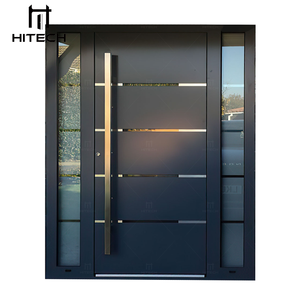
Hitech Main Entry Modern Aluminum Front Exterior Pivot Door
- Concealed Heavy-Duty Hydraulic Pivot
- Reinforced Multi-Point Hook Locking
- Thermal Break T6 Architectural Aluminum
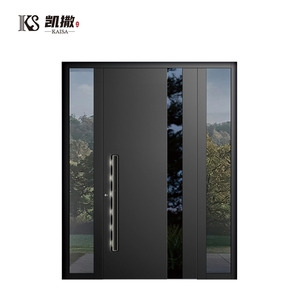
Modern Contemporary Soundproof Security Casement Front Entry Door
- Acoustic Laminated Double Glazing
- Qualicoat Marine-Grade Surface Finish
- Integrated Burglar-Proof Perimeter Seals
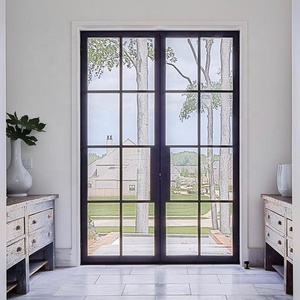
High-Security Villa Entry Door with Integrated Architectural Steel Grill
- Anti-Intrusion Steel Core Structure
- Decorative Laser-Cut Security Lattice
- Heavy-Duty Weatherstripping
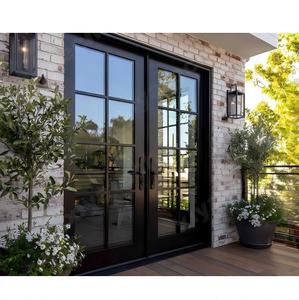
Hurricane Impact Thermal Break Double Glass Aluminum French Entry Door
- SGP Laminated Structural Glazing
- PA66 Nylon Thermal Barrier Strips
- High Wind-Load Pressure Resistance
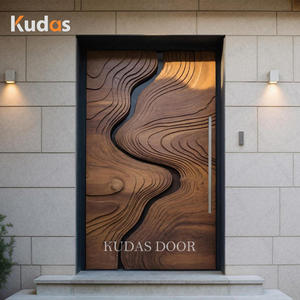
Modern Organic Wave Sculpted Solid Wood Luxury Architectural Front Door
- Hand-Carved Hardwood Grain Texture
- Weather-Sealed Protective Finish
- Custom Oversized Height Fabrication
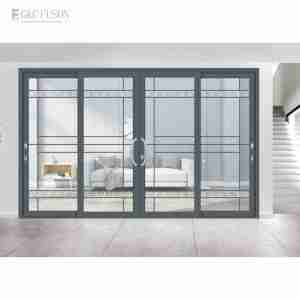
Aluminium Waterproof Double Glazed Lift & Slide Luxury Patio System
- Precision German Lift-Slide Hardware
- Low-Threshold Flush Transition
- High Water Ingress Tightness
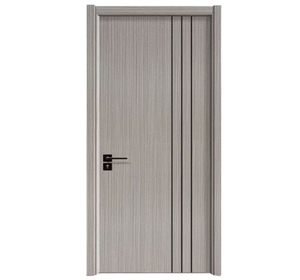
Fire-Rated Modern Residential Security Entrance Composite Door
- Certified Fire Barrier Core
- Heavy-Duty Anti-Theft Lock Assembly
- Sublimated Wood-Grain Aesthetic
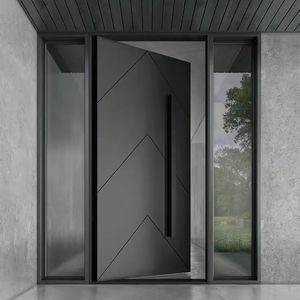
Minimalist Anti-Theft Aluminum Pivot Entry Door for Luxury Villas
- Slim-Sightline Architectural Frame
- Smart Biometric & RFID Keyless Entry
- C5-M Coastal Anodized Resistance
Targeted Entryway Solutions Across South African Climate Zones
South Africa features vastly diverse microclimates—ranging from severe Atlantic marine exposure to intense Highveld solar ultraviolet radiation and subtropical moisture. Our custom aluminum and hybrid front door systems are engineered for specific regional demands.
Cape Town Atlantic Seaboard & Winelands
Properties along Clifton, Camps Bay, and Constantia experience relentless salt-laden coastal spray combined with fierce gale-force "Cape Doctor" winds exceeding 100 km/h. Doors installed here feature marine-grade C5-M anodized aluminum extrusions, double-laminated Low-E insulated glass units, and continuous EPDM perimeter gaskets to guarantee zero water penetration under extreme wind pressures.
Sandton & Johannesburg Luxury Enclaves
Highveld luxury estates in Bryanston, Hyde Park, and Waterfall City prioritize impenetrable physical security paired with superior thermal insulation against extreme diurnal temperature shifts. Our entries incorporate multi-point German hook-locking mechanisms, anti-drill armor plating, and integrated battery-backed biometric access systems that maintain seamless security during municipal load-shedding grid failures.
KwaZulu-Natal Subtropical Coast
Estates in Umhlanga and Ballito endure intense atmospheric humidity, elevated ambient temperatures, and torrential summer downpours. Our thermally broken aluminum pivot doors feature internal structural drainage channels and UV-stabilized powder coatings (Qualicoat Class 2) that prevent surface fading, warping, or swelling common in traditional timber doors.
Information Gain: Surpassing SANS 10400 Building Regulations
Under the South African National Standard (SANS 10400 Part XA for Energy Usage and Part N for Glazing), modern luxury residential envelope openings must meet stringent U-Value thermal resistance targets. While standard local timber and non-thermal aluminum doors often register poor overall heat gain metrics, Aluvoy’s thermally broken entry systems—equipped with double-glazed Argon-filled Low-E panes—achieve overall U-values as low as 1.6 W/m²K, vastly improving indoor climate stability and reducing estate HVAC energy costs.
Architectural Trends Shaping Luxury Entries in South Africa
Analysis of specify-and-build trends across South African luxury estate architectural firms reveals a shift toward massive scale, technological integration, and low-maintenance resilience.
1. Ultra-Oversized Minimalist Pivot Doors
Architects are increasingly specifying grand pivot doors reaching heights of 3.5 meters and widths exceeding 2.0 meters. Utilizing heavy-duty concealed floor pivots with adjustable hydraulic damping, these doors handle panel weights over 400kg with effortless, fingertip operation.
2. Load-Shedding Resilience & Smart Access
South Africa’s unique power infrastructure challenges have accelerated demand for entry hardware featuring low-voltage biometric readers (fingerprint, facial recognition, and Bluetooth RFID) backed by integrated lithium-ion reserves and mechanical key overrides.
3. Transition from Timber to Wood-Grain Sublimated Aluminum
While natural solid timber has historically dominated South Africa's high-end entries, severe coastal sun and rain cause rapid swelling, cracking, and tedious yearly maintenance. High-definition aluminum powder sublimated finishes deliver authentic wood warmth with zero maintenance.
Material Performance Benchmark for South African Projects
| Performance Feature | Aluvoy Thermal Break Aluminum | Traditional African Hardwood | Standard Non-Thermal Aluminum |
|---|---|---|---|
| Thermal Insulation (U-Value) | 1.5 – 1.8 W/m²K | 2.8 – 3.4 W/m²K | 4.2 – 5.5 W/m²K |
| Coastal Salt Corrosion Defense | C5-M Fluorocarbon / Anodized | Vulnerable (Varnishes peel under salt) | Moderate (Prone to oxidation) |
| Dimensional Stability (Humidity/Sun) | 100% Zero Expansion/Warping | High risk of swelling & sagging | 100% Zero Expansion/Warping |
| Burglar-Proof Security Level | RC3 / Multi-Point Steel Locks | Single Lock / Vulnerable to splitting | Basic Latch Lock |
| Annual Maintenance Requirement | Zero (Simple Wash Down) | High (Sand & Re-varnish annually) | Low |
Procurement Guide for South African Architects & Builders
Direct factory sourcing of luxury custom doors from certified manufacturing facilities offers substantial cost benefits and unlimited customization freedom. Here is how we streamline delivery to South Africa.
1. Custom Architectural CAD/BIM Approval
Before production commences, our engineering department produces detailed shop drawings aligned with your structural opening schedule. Every dimension, glass specification, and hardware cutout is vetted for strict site compatibility.
2. Port Logistics & Customs Duties (SARS)
Shipments are routed efficiently to primary South African container hubs: Durban Port (supplying Gauteng via the N3 logistics corridor) or Cape Town Port. Aluminum entry systems (HS Code 7610.10) incur standard customs tariffs and 15% South African VAT, easily managed by your clearing agent.
3. Heavy-Duty Export Crating
To safeguard large-format glass pivot panels across international sea shipping routes, all units are packed in fully enclosed ISPM-15 certified fumigated wooden crates with protective corner guards and desiccant packs to prevent moisture fogging.
Frequently Asked Questions
Clear, expert answers to key questions asked by South African property developers, architects, and private homeowners.
Are Aluvoy entry doors compliant with South African SANS 10400 regulations?
Yes. Our door systems are engineered and tested in accordance with rigorous global standards (including AS2047, NFRC, and Florida Hurricane Impact approvals), which meet and exceed the structural wind pressure (SANS 10400-B), safety glazing (SANS 10400-N), and energy efficiency (SANS 10400-XA) requirements enforced by local South African municipal building inspectors and AAAMSA guidelines.
How do your aluminum front doors hold up against Atlantic Seaboard sea spray?
For coastal installations in areas like Cape Town or Umhlanga, we utilize marine-grade 6063-T6 extruded aluminum profiles treated with high-micron fluorocarbon (PVDF) coatings or Class 2 Qualicoat powder coatings. Combined with 316 stainless steel hinges and lock components, our doors offer total immunity to salt-air oxidation and surface pitting.
How do oversized pivot doors maintain weather-tight seals during Highveld thunderstorms?
Highveld summer storms produce intense horizontal rain and pressure spikes. Our pivot entries incorporate multi-stage EPDM drop-down bottom seals, inter-locking perimeter rebate profiles, and hidden drainage tracks that divert driven water away from interior floors, maintaining airtightness and water ingress resistance up to 600 Pa.
Can smart biometric lock options work reliably during local power load-shedding?
Absolutely. We integrate premium motorized multi-point lock systems (such as German Siegenia or GU hardware) equipped with internal rechargeable lithium-ion battery backups. Additionally, every smart entry door includes high-security physical mechanical keys, ensuring unbroken access regardless of municipal power status.
What is the typical lead time for direct factory delivery to South Africa?
Production typically takes 25 to 30 days following final architectural shop drawing approval. Ocean transit from Foshan port to Durban or Cape Town takes approximately 18 to 22 days. In total, clients should budget 7 to 9 weeks from order confirmation to site delivery.
Why South African Developers Partner with Foshan Aluvoy
Established in 2005, Foshan Aluvoy Entry Door Systems Co., Ltd. is a premier designer and exporter of high-performance architectural aluminum window and door systems.
20,000m² Manufacturing Powerhouse
Operating 2 automated production lines equipped with 5-axis CNC machining centers, precision profile punching, continuous thermal strip insertion, and automated glass bonding systems staffed by 150+ specialist technicians.
Global Certification & Testing
Our systems hold authentic SAI Global AS2047 accreditation for Australia, NFRC energy certifications for North America, and Florida Hurricane Impact approvals—verifying exceptional structural, air infiltration, water tightness, and impact resistance.
Comprehensive 10-Year Warranty
Every custom front door shipped to South Africa is backed by our direct manufacturer 10-year warranty covering frame structural integrity, surface finish durability, and hardware operational smoothness.