Featured Commercial & Emergency Door Systems
Direct factory recommendations engineered for high-traffic Mexican architectural projects, commercial plazas, industrial parks, and high-occupancy residential structures.
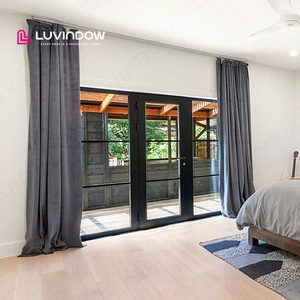
Luvindow Manufacturer Modern Double Exterior/interior Grill Iron Door Designs Glass Wrought Aluminum Door
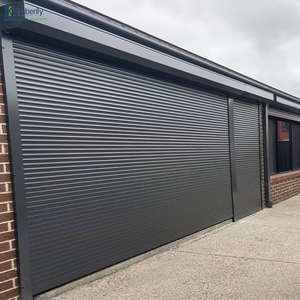
Aluminum Alloy Roller Shutter Door for Villa Apartment Commercial Use Electric Motorized Security Door Modern Design 5 Year
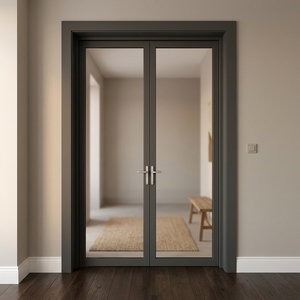
Luxury Custom Aluminum Double Door with Decorative Grid Glass for High End Residential Villa Main Entrance Design
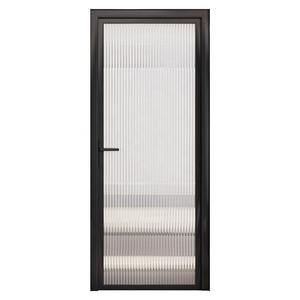
Sofeyia High Quality Modern Aluminum Alloy Swing Glass Doors Corrosion Resistant Customizable Size Finished Surface Environment
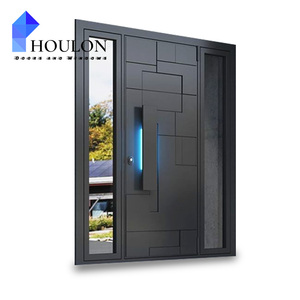
Italian Luxury Design Entrance Door Exterior Security Front Pivot Door Modern Front Entry Aluminum Door Villas
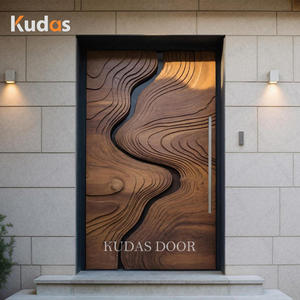
Modern Carved Wooden Front Door Organic Wave Design Handmade Exterior Solid Wood Entry Door for Contemporary Home
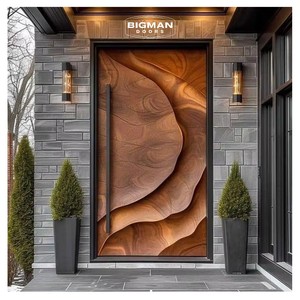
American Luxury Villa Solid Wood Black Walnut Front Entry Carved Exterior Modern Door Entrance Main Door for Houses
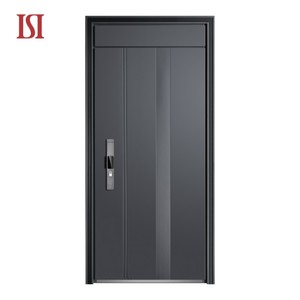
High Quality Security Entry Door Anti-theft Fireproof Soundproof Water Resistant Steel For Outdoor Use
Navigating Panic Hardware & Commercial Door Sourcing in Mexico
An in-depth evaluation of civil protection mandates, industrial nearshoring growth, and regulatory door assembly specs across key Mexican economic zones.
Mexico’s commercial building landscape is experiencing unprecedented industrial real estate expansion driven by global nearshoring trends. Regions such as Monterrey (Nuevo León), Querétaro, Saltillo, Tijuana, and the Metropolitan Area of Mexico City (CDMX) have seen a massive surge in the construction of Class-A industrial parks, logistics hubs, retail complexes, and high-density residential developments. With this commercial construction boom comes strict municipal enforcement of life safety standards, specifically governing emergency egress routes, fire-rated assemblies, and panic hardware exit devices.
Under Mexican official standards—most notably NOM-002-STPS-2010 (Conditions of Safety for Fire Prevention and Protection in Workplaces) and municipal fire department guidelines (Protección Civil)—commercial and industrial properties are legally mandated to install certified panic exit hardware on designated emergency exit doors. EPC contractors, developers, and architectural specifiers in Mexico face a critical challenge: sourcing high-durability, fully certified panic hardware door assemblies that comply with both international fire ratings (such as UL 10C and EN 1634-1) and localized Mexican structural requirements while maintaining cost efficiency.
Key Sourcing Insight for Mexican Procurement Officers
Sourcing panic hardware door assemblies directly from qualified Chinese OEMs allows Mexican buyers to access advanced extruded aluminum profiles (6063-T6 alloy), heavy-duty galvanized steel cores, and certified panic push bars (UL 305 / EN 1125 compliant) at savings of 30% to 45% compared to North American domestic suppliers, without compromising structural integrity or civil protection audit pass rates.
Panic Hardware Engineering Standards & Mechanical Classifications
Understanding hardware mechanisms, fire safety resistance, thermal break profiles, and seismic wind-load engineering required for Mexican tenders.
UL 305 & EN 1125 Standards
Panic exit hardware must allow unlatching from the interior by applying no more than 15 lbs of force on the horizontal push bar. Factory-tested to over 500,000 operational cycles for heavy commercial traffic in industrial plants and public spaces.
Fire Rating (60-120 Mins)
Combines intumescent fire seals that expand under extreme heat to block smoke and toxic fumes. Integrates mineral wool cores and heavy steel plates meeting UL 10C positive pressure fire tests required by Mexican industrial inspectors.
Structural Wind & Impact
Engineered to sustain high design pressure (DP) ratings for hurricane-prone coastal regions like Cancún, Veracruz, and Los Cabos. Features reinforced corner keys, multi-point panic latching, and laminated safety glass options.
| Hardware Mechanism Type | Ideal Architectural Application | Egress Efficiency | Fire Rating Compatibility | Maintenance Profile |
|---|---|---|---|---|
| Rim Panic Exit Device | Single doors, standard emergency exits in warehouses & retail | Highest (Single Touch Push Bar) | UL 10B / UL 10C (Up to 3 Hours) | Low - Surface Mounted Hardware |
| Concealed Vertical Rod (CVR) | Double glass/aluminum storefront doors in commercial centers | High (Top & Bottom Latching) | Up to 90 Minutes (UL Listed) | Medium - Internal Rod Mechanism |
| Surface Vertical Rod (SVR) | Heavy-duty industrial double steel fire exit doors | High (Two-Point External Lock) | Up to 180 Minutes Fire Rated | Low - Visible Adjustment Rods |
| Mortise Lock Panic Hardware | High-security interior emergency corridors & hotel stairwells | High (Integrated Deadbolt) | Up to 120 Minutes Fire Rated | Low/Medium - Heavy Duty Lock Body |
Tailored Egress Solutions Across Mexico's Commercial Sectors
How tailored door assemblies solve severe environmental, security, and architectural challenges across distinct Mexican geographic and commercial ecosystems.
1. Nearshoring Maquiladoras & Industrial Parks (Northern Mexico)
In industrial hubs like Monterrey, Reynosa, Juárez, and Tijuana, manufacturing plants operate 24/7 with high worker foot traffic. Emergency exit doors must withstand intense operational usage, industrial ambient dust, and extreme temperature variations. Our heavy-duty steel fire doors equipped with stainless steel SS304 panic push bars deliver maximum durability and total compliance with STPS inspections.
2. Commercial Plazas & Mixed-Use Towers (CDMX & Guadalajara)
Urban shopping centers and office towers in Mexico City, Zapopan, and Puebla demand sleek aesthetics without sacrificing safety. Thermally broken aluminum double glass doors featuring concealed panic bars and high-transparency tempered/laminated glass ensure seamless indoor-outdoor integration while maintaining full compliance with national safety codes.
3. Coastal Luxury Resorts & Hospitality (Cancún, Riviera Maya, Los Cabos)
Hospitality infrastructure along coastal Mexico faces aggressive salt spray corrosion and seasonal hurricane exposure. We supply PVDF-coated aluminum entry doors and hurricane impact glass doors equipped with corrosion-resistant brass or coated alloy panic hardware engineered to survive marine air and high design pressure wind forces.
4. High-Density Residential & Educational Campuses
Multi-family apartment towers and university halls require soundproof, anti-theft entrance systems that double as emergency panic egress doors during seismic events or fire emergencies. Our aluminum double doors with decorative grid glass and modern solid wood architectural entry doors provide ideal sound dampening and robust panic hardware integration.
Emerging Mexican Market & Regulatory Trends (2026-2030)
Key technological, environmental, and regulatory shifts impacting door hardware specification across Mexican municipal projects.
Electrified Panic Hardware Integration
Modern Mexican commercial facilities are rapidly transitioning to smart building management systems (BMS). Panic hardware now frequently requires electric latch retraction (ELR), magnetic lock tie-ins with central fire alarms, and card access controls that automatically release panic bars during power or fire signal triggers.
LEED & EDGE Sustainability Mandates
With institutional investors demanding green building certifications across Mexico, architectural door specifications emphasize thermal break aluminum profiles, recycled aluminum content, and Low-E double/triple glazing units that minimize solar heat gain coefficient (SHGC) in hot Mexican climates.
Rigorous Civil Protection Audits
Mexican municipal civil protection inspectors have intensified unannounced workplace audits. Non-compliant emergency doors—such as those with manual deadbolts, improper opening direction, or non-certified push bars—face immediate facility shutdown fines, making factory-certified panic door assemblies essential.
Why Overseas Buyers Trust Our Manufacturing Excellence
Direct factory control, global laboratory certifications, and end-to-end engineering support from Foshan, Guangdong to your jobsite in Mexico.
Founded in 2005, Foshan Aluvoy Entry Door Systems Co., Ltd. operates a state-of-the-art 20,000 m² manufacturing facility equipped with advanced CNC automated extrusion machinery, precision double-head cutting saws, and automated corner crimping lines. With over 150 dedicated engineers, master craftsmen, and international trade specialists, we have manufactured and exported more than 10,000 containers to over 30 countries worldwide, with North America and Latin America representing core strategic growth markets.
100% In-House Production
From aluminum alloy cutting, machining, punching, and welding to glass glazing, corner gluing, and final quality control, every manufacturing step is performed in our own workshop—never sub-contracted.
Global Testing & Certification
Our window and door systems hold authentic AS2047 certification issued through SAI Global, North American NFRC thermal performance certification, Florida Hurricane Approval, and UL fire safety compliance documentation.
Custom CAD & Shop Drawings
Our dedicated engineering office reviews your architectural plans, structural opening schedules, and local code specs to produce complete 2D/3D CAD shop drawings for approval before production begins.
6-Step Streamlined Export Workflow for Mexican Buyers
Send us architectural elevation drawings, door schedules, and required fire ratings.
Our engineering team matches profile thickness, glass spec, and panic bar hardware to your budget.
Detailed CAD shop drawings are issued for developer and architect approval prior to fabrication.
CNC extrusion machining, thermal break insertion, hardware installation, and rigorous QC testing.
Fully enclosed fumigated plywood crates ensure 100% damage-free delivery to Manzanillo, Veracruz, or Altamira ports.
Complete assembly instructions, hardware adjustment videos, and remote engineering guidance.
Frequently Asked Questions by Mexican Importers & EPC Contractors
Expert answers regarding customs clearance, compliance documentation, shipping logistics, and custom door fabrication.
Q: What specific Mexican regulations govern panic hardware and emergency exit doors?
In Mexico, emergency exit doors are primarily regulated by NOM-002-STPS-2010, which specifies safety requirements for fire prevention in workplaces. Local Civil Protection (Protección Civil) authorities inspect emergency exit doors to verify that they open outward in the direction of exit travel, operate via a single panic push bar without keys or specialized knowledge, and incorporate adequate fire resistance ratings (typically 60 to 120 minutes depending on building occupancy category).
Q: How do you manage customs shipping, import tariffs, and logistics to Mexican sea ports?
We ship regularly under FOB, CFR, and CIF terms to major Mexican maritime container ports, including Manzanillo (Colima), Veracruz (Veracruz), Altamira (Tamaulipas), and Ensenada (Baja California). We provide complete commercial invoices, packing lists with detailed tariff HS codes (such as HS 7610.10 for aluminum doors/windows and HS 7308.30 for steel doors), certificates of origin, and bill of lading (B/L) documents required by your Mexican customs broker (Agente Aduanal) for smooth import clearance.
Q: What is the difference between Grade 1 UL 305 panic bars and standard commercial push bars?
UL 305 Grade 1 panic exit hardware undergoes rigorous cycle testing exceeding 500,000 continuous operations, structural impact tests, and strict latch release pressure tests (under 15 lbs of horizontal force). Standard commercial push bars lack official fire and life safety testing certification. For commercial tenders in Mexico, UL 305 or EN 1125 certified hardware is essential to pass civil protection safety audits and secure municipal operating permits (Licencia de Funcionamiento).
Q: Can modern aluminum glass doors attain authentic fire-resistance ratings for commercial applications?
Yes. By utilizing specialized thermal break aluminum profiles reinforced with internal steel core plates, double-glazed ceramic fire-resistant glass (such as Pyrostop or Pyroguard), and perimeter intumescent seals, aluminum glass door assemblies can achieve certified 60-minute, 90-minute, and 120-minute fire containment ratings without sacrificing modern glass aesthetics.
Q: Can you fabricate custom door dimensions matching specific Mexican structural rough openings?
Absolutely. Every order manufactured at our Foshan facility is custom built to your exact architectural drawings and opening schedule. Our engineers prepare comprehensive 2D CAD shop drawings detailing structural mullions, rough opening clearances, frame depth, threshold details, and hardware mounting heights for your team's sign-off before manufacturing starts.
Q: What surface finishes are recommended to prevent aluminum corrosion in coastal coastal resort regions like Cancún or Los Cabos?
For severe coastal environments, we recommend specifying PVDF (Fluorocarbon) liquid coatings or Qualicoat Class 2 / Class 3 high-durability powder coatings with a coating thickness of 40–80 microns, or heavy-duty anodized finishes (25 microns+). These surface treatments deliver exceptional resistance against salt spray, ultraviolet radiation (UV fading), thermal shock, and coastal humidity.
Q: What is your typical production lead time and minimum order quantity (MOQ) for Mexican project orders?
Our standard manufacturing lead time is approximately 25 to 35 days following final CAD shop drawing approval and deposit receipt. We support both full container load (FCL 20GP/40HQ) orders for large commercial developments and smaller sample/project orders (LCL) for custom luxury villas and boutique commercial renovations.
Ready to Source Certified Panic Hardware Doors for Your Next Mexican Tender?
Consult directly with our senior export engineering team for project quotes, CAD shop drawings, technical compliance reports, and factory direct pricing.
Contact Us